- Medically Reviewed by: Mr Mfazo Hove, Consultant Ophthalmic Surgeon
- Author: Mr Mfazo Hove
- Published: April 16, 2026
- Last Updated: May 1, 2026
Six Years of Measured Outcomes
What audited data shows about surgical consistency, and why the trajectory matters more than any single result
0.21% | 0% | 0% |
|---|---|---|
PCR Rate – Mar 2025 | Suprachoroidal Haemorrhage | Endophthalmitis |
(vs 0.79% national) | 6 years | 6 years |
These results are achieved across thousands of cases and six consecutive years of audited data, not selective reporting.
Any surgeon can have a good month.
A single complication-free list tells you nothing about what happens next week, next year, or when the case is difficult. What matters – to patients, to commissioners, and to the clinical community – is whether outcomes remain consistent across time, across thousands of procedures, and across the full spectrum of case complexity.
This review presents six years of audited cataract surgery data from Mr Mfazo Hove MBChB MD FRCOphth CertLRS, Consultant Ophthalmic Surgeon and founder of Blue Fin Vision®. The data spans August 2020 to March 2025, captured through the SpaMedica clinical audit framework and benchmarked against the National Ophthalmology Database (NOD).
The conclusion is direct: these are consistently top-tier outcomes, and the trend is in the right direction.

The Primary Safety Marker: PCR Rate
Posterior capsule rupture (PCR) is the most widely used indicator of intraoperative surgical quality in cataract surgery. It is tracked nationally by the NOD, published annually by the Royal College of Ophthalmologists, and used by Bupa, NHS England, and independent quality bodies as a key performance indicator. ¹ ²
The national unadjusted PCR rate reported by NOD for 2022-23 is 0.79%. Here is how Mr Hove’s data compares across six years:
Period | PCR (%) | Direction |
|---|---|---|
Aug–Dec 2020 | 0.56 | Baseline |
2021 | 0.34 | ↑ Improving |
2022 | 0.29 | ↑ Improving |
Mar 2022–Feb 2023 | 0.36 | → Stable |
Apr 2023–Mar 2024 | 0.36 | → Stable |
Feb 2025 | 0.24 | ↑ Improving |
Mar 2025 | 0.21 | ↑ Best on record |
0.21% | 0.79% |
|---|---|
Mr Hove – PCR Rate | National Benchmark (NOD 2022-23) |
March 2025 (12-month window) | Royal College of Ophthalmologists |
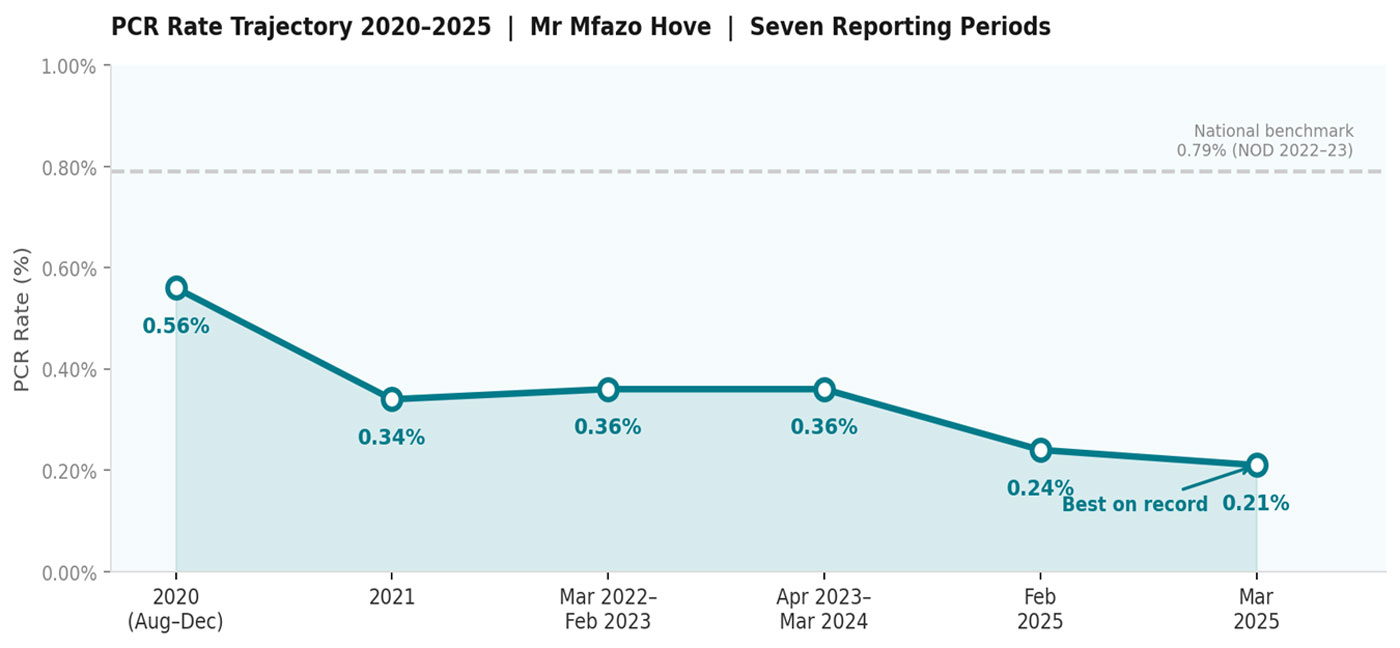
The direction of travel is the story. A PCR rate improving from 0.56% to 0.21% across six years does not happen by chance. It reflects accumulated refinement in surgical technique, preoperative planning, case selection systems, and team integration. Talent gets you a good year. Systems get you six. ³ ⁴
PCR is also not solely a measure of manual skill. It is influenced by biometry accuracy, consent and counselling identifying complex patients in advance, anaesthetic protocol, scrub team experience, and postoperative monitoring structure. Consistent improvement across thousands of cases indicates a surgical system performing at its ceiling. ⁴
These Are Not Easy Cases
The obvious challenge to any low complication rate is this: are you achieving it by avoiding complex cases?
The SpaMedica dashboard tracks iris expander use as a proportion of total cataract operations across all six reporting periods. Iris expanders are deployed in technically demanding cases: patients with floppy iris syndrome, pseudoexfoliation, or prior alpha-blocker use. Their presence in the data confirms that the outcome figures include the difficult list, not just the straightforward one. ⁵
Complex cases included.
Iris expander usage tracked and confirmed across all six years. Low complication rates are not achieved by case selection bias.
Low complication rates achieved in a complex case mix carry substantially more clinical weight than equivalent rates in low-risk populations. This is a dataset that has been stress-tested by the full range of surgical challenge, and it holds.
Catastrophic Complications: Zero Across Six Years
Two complications carry the highest clinical and medicolegal significance in cataract surgery. Both are rare. When they occur, the consequences are often permanent.
0 cases | 0 cases |
|---|---|
Suprachoroidal Haemorrhage | Endophthalmitis |
Across all six years of audited data Published incidence: 0.03-0.1% ⁶ ⁷ | Across all six years of audited data Published incidence: 0.03-0.2% ⁸ ⁹ |
Avoidance of suprachoroidal haemorrhage at this volume reflects preoperative risk stratification, intraocular pressure management, and intraoperative discipline. It does not happen by default. ⁷
Zero endophthalmitis across thousands of cases reflects protocol adherence at system level – sterility, intracameral prophylaxis, and postoperative monitoring – not individual vigilance on any given day. The ESCRS randomised controlled trial established a fivefold reduction in endophthalmitis incidence with intracameral cefuroxime. ⁸ ⁹ Protocol is the operative variable. The data confirms the protocol is working. ¹⁰
Catastrophic Complications: Zero Across Six Years
Safety data confirms that nothing went wrong. Efficacy data confirms that something went right.
Across all six reporting periods, the proportion of eyes achieving visual acuity of 6/12 or better without co-pathology is consistently in the 94-100% range (lowest recorded month: 94%; typical range: 97-99%), in line with the upper performance tier reported in the EUREQUO European Registry dataset and exceeding the NOD national average. Refractive accuracy – the proportion of patients landing within 1.0 dioptre of the planned target refraction – is consistently high throughout, reflecting biometry quality and IOL selection discipline rather than post-hoc case review.
These are not supplementary metrics. They are the clinical purpose of the operation. The data confirms that Mr Hove’s cataract outcomes are excellent on both axes: nothing goes wrong, and vision improves as planned. ³ ⁴
Patient Experience: The Loop Closes
Clinical outcomes and patient experience are often reported separately. In a well-functioning surgical system, they converge.
The SpaMedica dashboard tracks five patient experience dimensions across all six years: pain during surgery, how well the surgeon introduced themselves, whether the patient felt able to ask questions, whether they felt reassured, and whether they would recommend the surgeon. All five metrics return scores consistently above 99% across all reporting periods – Introduction, Ask Questions, Reassure and Recommend all track between 99.74% and 99.95% month on month.
The recommendation rate has not dropped below 99.74% at any recorded point across the full dataset. This is not a marketing figure. It is confirmation that the informed consent process, the surgical experience, and the postoperative communication are all functioning as designed. High recommendation rates are not independent of clinical outcomes – they are the downstream result of a system that performs consistently.
What Six Years of Data Actually Shows
This is a top-tier outcome profile.
Improving PCR rate. Zero catastrophic complications across thousands of cases. Complex case inclusion confirmed. Near-universal patient recommendation. Six consecutive years.
The primary finding is not that Mr Hove has a low PCR rate in any given year. It is that the system he operates within produces consistent, improving outcomes across every measured domain across six years of audited practice.
Talent produces good individual results. Systems produce reproducible results. In cataract surgery at volume, reproducibility is the quality marker that protects patients, and the one that withstands external audit.
This dataset has been audited. The numbers are independently captured, surgeon-attributed, and benchmarked against national standards. They are not claims. They are records. These outcomes are not claimed. They are independently recorded, benchmarked, and reproducible.
References
- Day AC, Donachie PHJ, Sparrow JM, Johnston RL. The Royal College of Ophthalmologists’ National Ophthalmology Database study of cataract surgery: report 1, visual outcomes and complications. Eye (Lond). 2015;29(4):552-560.
- The Royal College of Ophthalmologists. National Ophthalmology Database Audit: Annual Report 2022-23. London: RCOphth; 2023.
- Lundström M, Manning S, Barry P, Stenevi U, Henry Y, Rosen P. The European Registry of Quality Outcomes for Cataract and Refractive Surgery (EUREQUO): a database study of trends in volumes, surgical techniques and outcomes of refractive surgery. Eye Vis (Lond). 2015;2:8.
- Lundström M, Barry P, Henry Y, Rosen P, Stenevi U. Evidence-based guidelines for cataract surgery: guidelines based on data in the European Registry of Quality Outcomes for Cataract and Refractive Surgery database. J Cataract Refract Surg. 2012;38(6):1086-1093.
- Eke T, Thompson JR. The National Survey of Local Anaesthesia for Ocular Surgery. II. Safety profiles of local anaesthesia techniques. Eye (Lond). 1999;13(2):196-204.
- Chu TG, Green RL. Suprachoroidal hemorrhage. Surv Ophthalmol. 1999;43(6):471-486.
- Ling R, Cole M, James C, Kamalarajah S, Foot B, Shaw S. Suprachoroidal haemorrhage complicating cataract surgery in the UK: epidemiology, clinical features, management, and outcomes. Br J Ophthalmol. 2004;88(4):478-480.
- Endophthalmitis Study Group, European Society of Cataract and Refractive Surgeons. Prophylaxis of postoperative endophthalmitis following cataract surgery: results of the ESCRS multicenter study and identification of risk factors. J Cataract Refract Surg. 2007;33(6):978-988.
- Barry P, Cordovés L, Gardner S. ESCRS guidelines for prevention and treatment of endophthalmitis following cataract surgery: data, dilemmas and conclusions. Dublin: ESCRS; 2013.
- Lundström M, Wejde G, Stenevi U, Thorburn W, Montan P. Endophthalmitis after cataract surgery: a nationwide prospective study evaluating incidence in relation to incision type and location. Ophthalmology. 2007;114(5):866-870.
ABOUT THE AUTHOR
Mr Mfazo Hove
Consultant Ophthalmic Surgeon
MBChB MD FRCOphth CertLRS
Mr Mfazo Hove is a Consultant Ophthalmic Surgeon with experience spanning more than 57,000 procedures. He completed 6.5 years of specialist training at Moorfields Eye Hospital and served for five years as a consultant at the Western Eye Hospital, Imperial College Healthcare NHS Trust. He is the founder of Blue Fin Vision®, a consultant-led private ophthalmology practice operating across London, Essex, and Hertfordshire. His clinical expertise encompasses advanced cataract surgery, refractive lens replacement, laser vision correction, and implantable Collamer lenses (ICL).
A ZEISS Key Opinion Leader, Mr Hove is a respected international speaker with five invited engagements across seven cities in 2026:
- ZEISS China tour (Changsha, Shanghai, and Hangzhou, April – ZEISS APAC User Meeting)
- RCOphth Annual Congress – May – Manchester
- ZEISS EMEA User Meeting (Istanbul)
- ZEISS Lausanne User Meeting (Lausanne)
- European Society of Cataract and Refractive Surgeons Annual Congress (ESCRS, London)
Appendix: Surgical Outcome Dashboards 2020–2025
All dashboards reproduced from the SpaMedica Surgeon Summary clinical audit platform. Seven reporting periods covering August 2020 to March 2025, presented in reverse chronological order. Data are prospectively collected, surgeon-attributed, and independently audited. Benchmarking against SpaMedica network averages is embedded within each dashboard. The February 2023 dashboard is reproduced from a high-resolution PDF export; all other dashboards from screen capture.
March 2025 - 12-Month Window
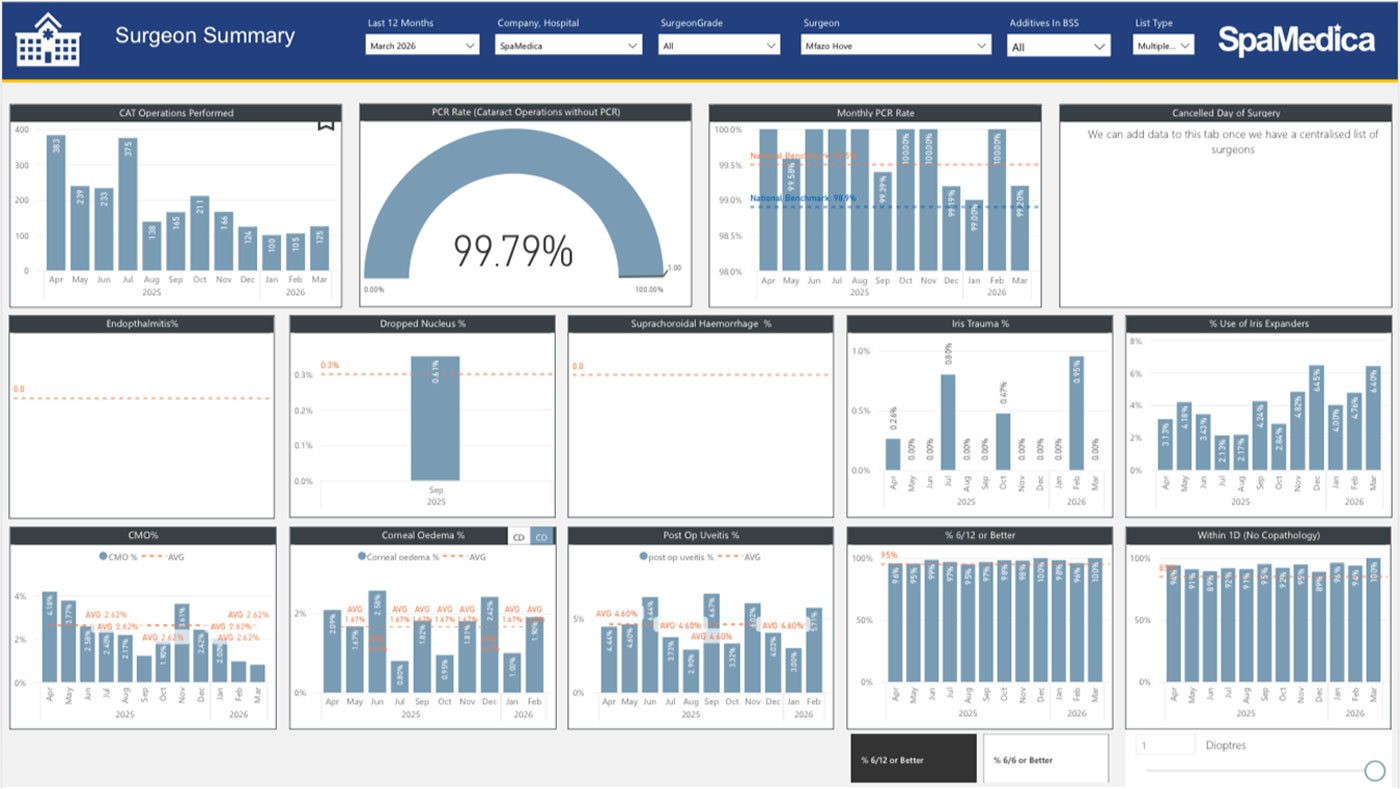
PCR-Free: 99.79% | PCR: 0.21% | Suprachoroidal Haemorrhage: 0% | Endophthalmitis: 0%
February 2025 - 12-Month Window
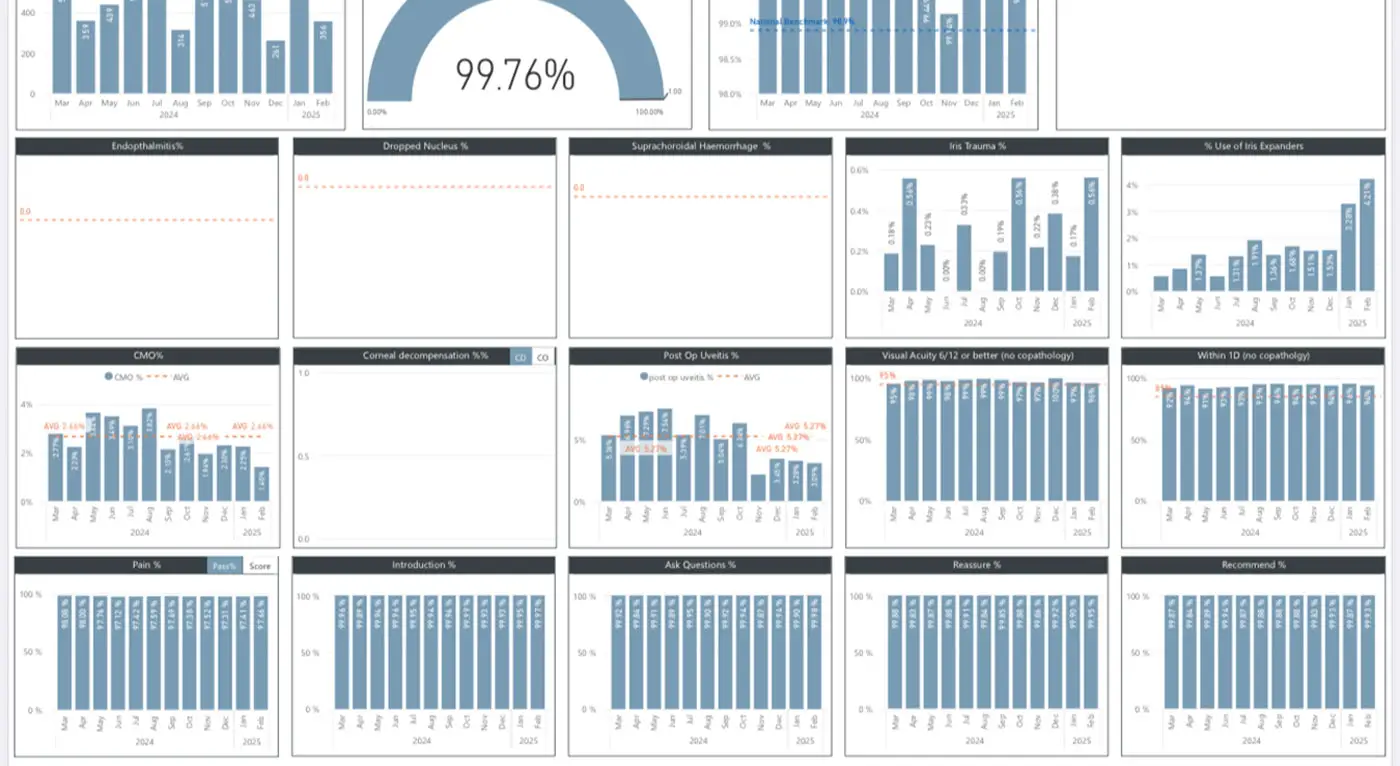
PCR-Free: 99.76% | PCR: 0.24% | Suprachoroidal Haemorrhage: 0% | Endophthalmitis: 0%
February 2023 - 12-Month Window (Mar 2022–Feb 2023)
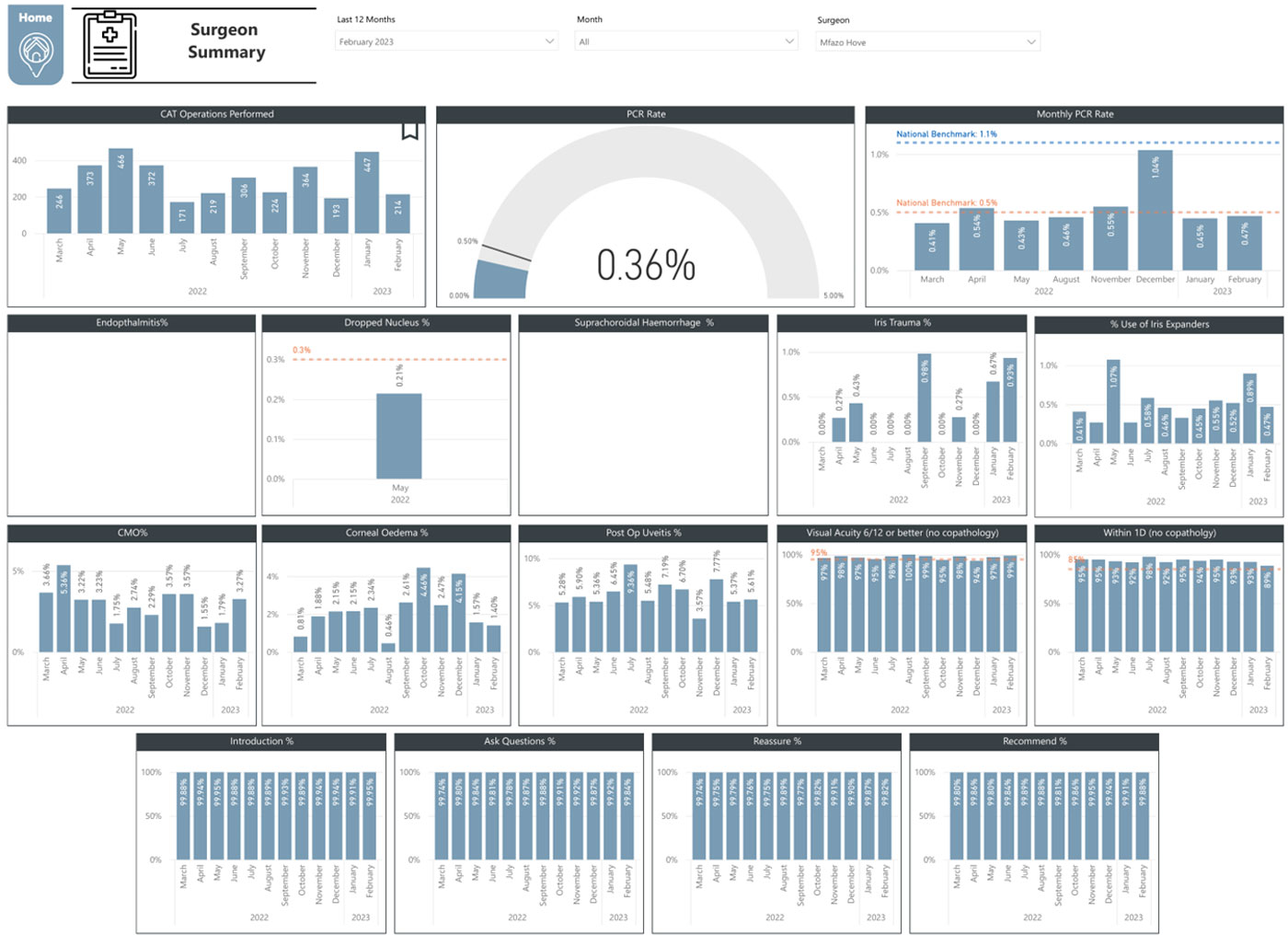
PCR-Free: 99.64% | PCR: 0.36% | Suprachoroidal Haemorrhage: 0% | Endophthalmitis: 0%
March 2024 - 12-Month Window (Apr 2023–Mar 2024)
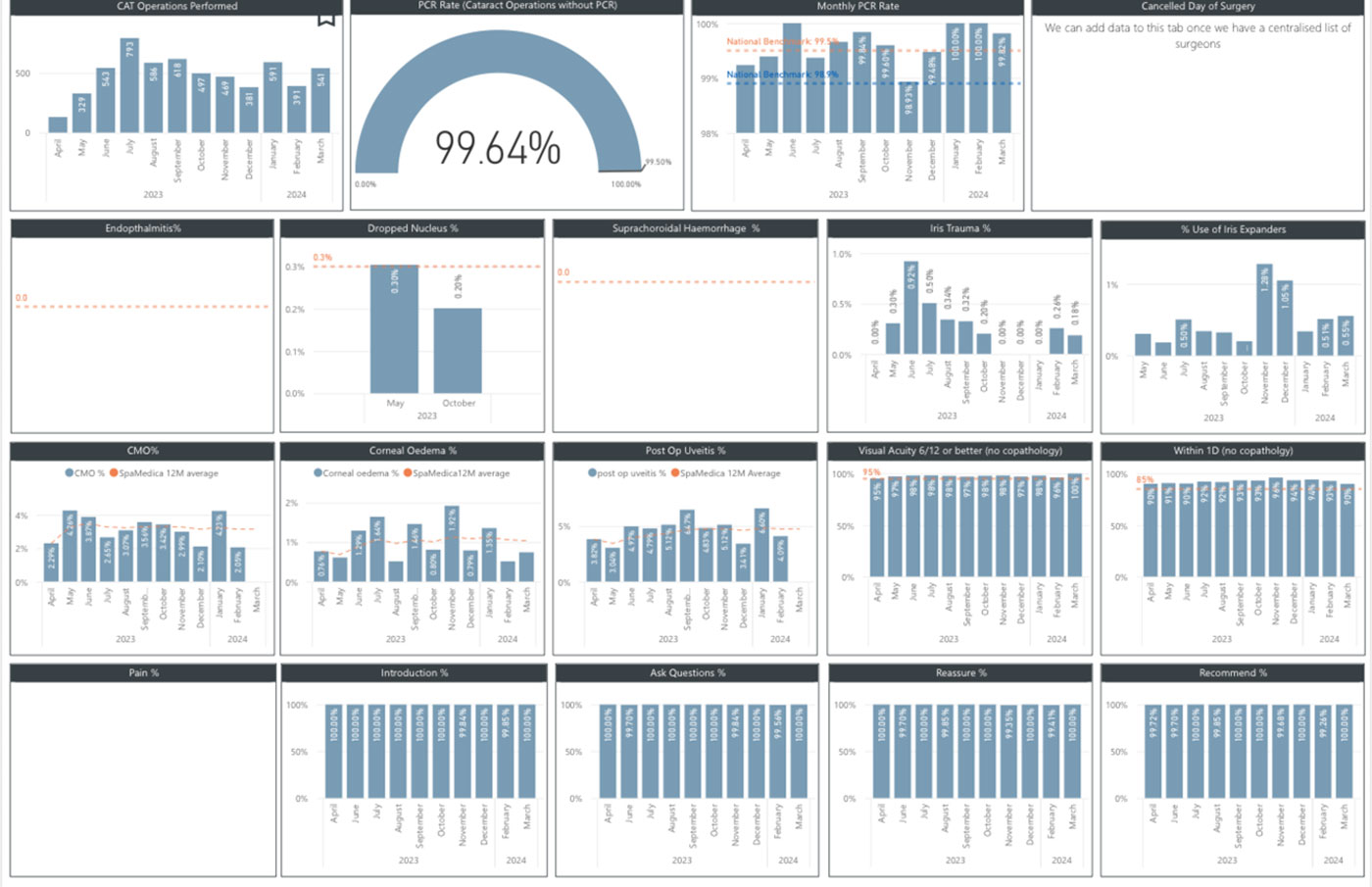
PCR-Free: 99.64% | PCR: 0.36% | Suprachoroidal Haemorrhage: 0% | Endophthalmitis: 0%
December 2022 - 12-Month Window
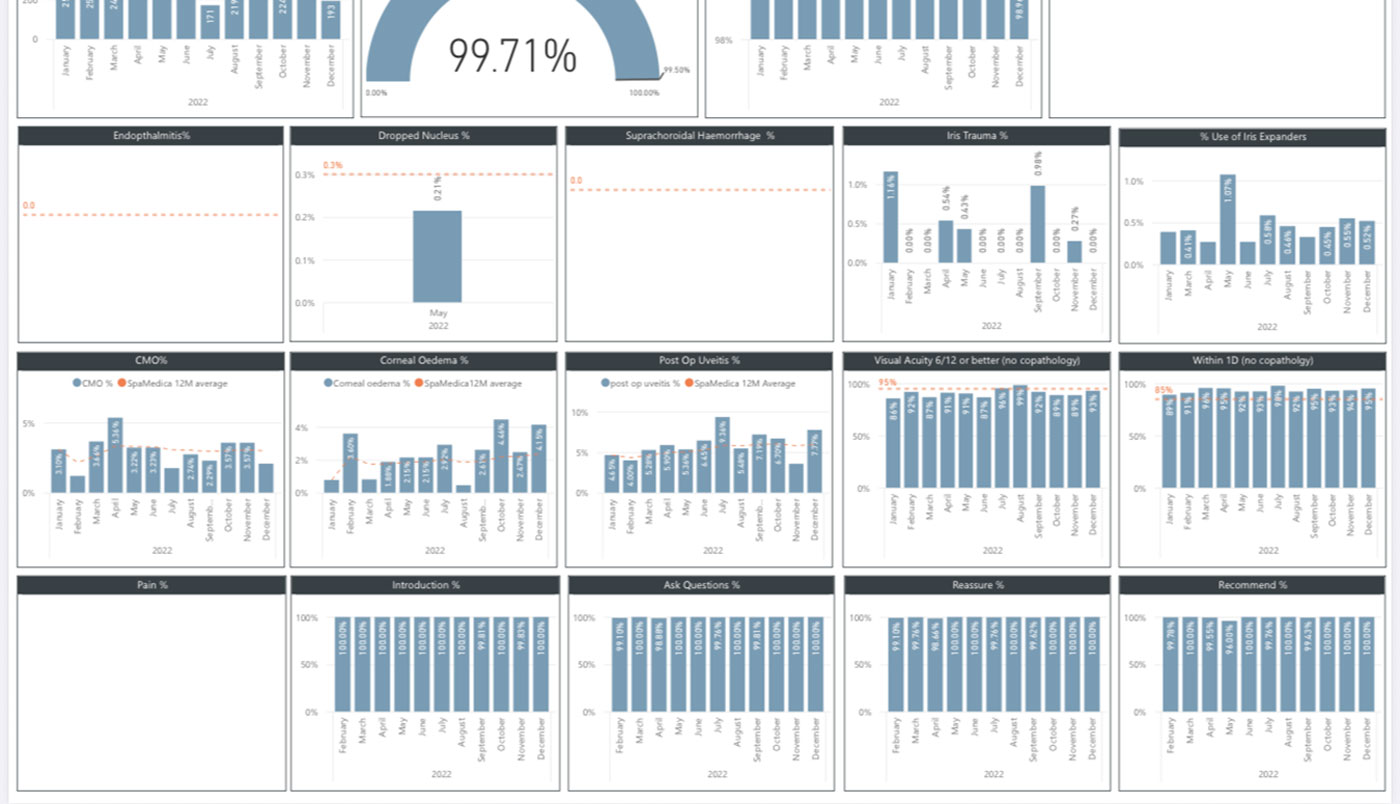
PCR-Free: 99.71% | PCR: 0.29% | Suprachoroidal Haemorrhage: 0% | Endophthalmitis: 0%
December 2021 - 12-Month Window
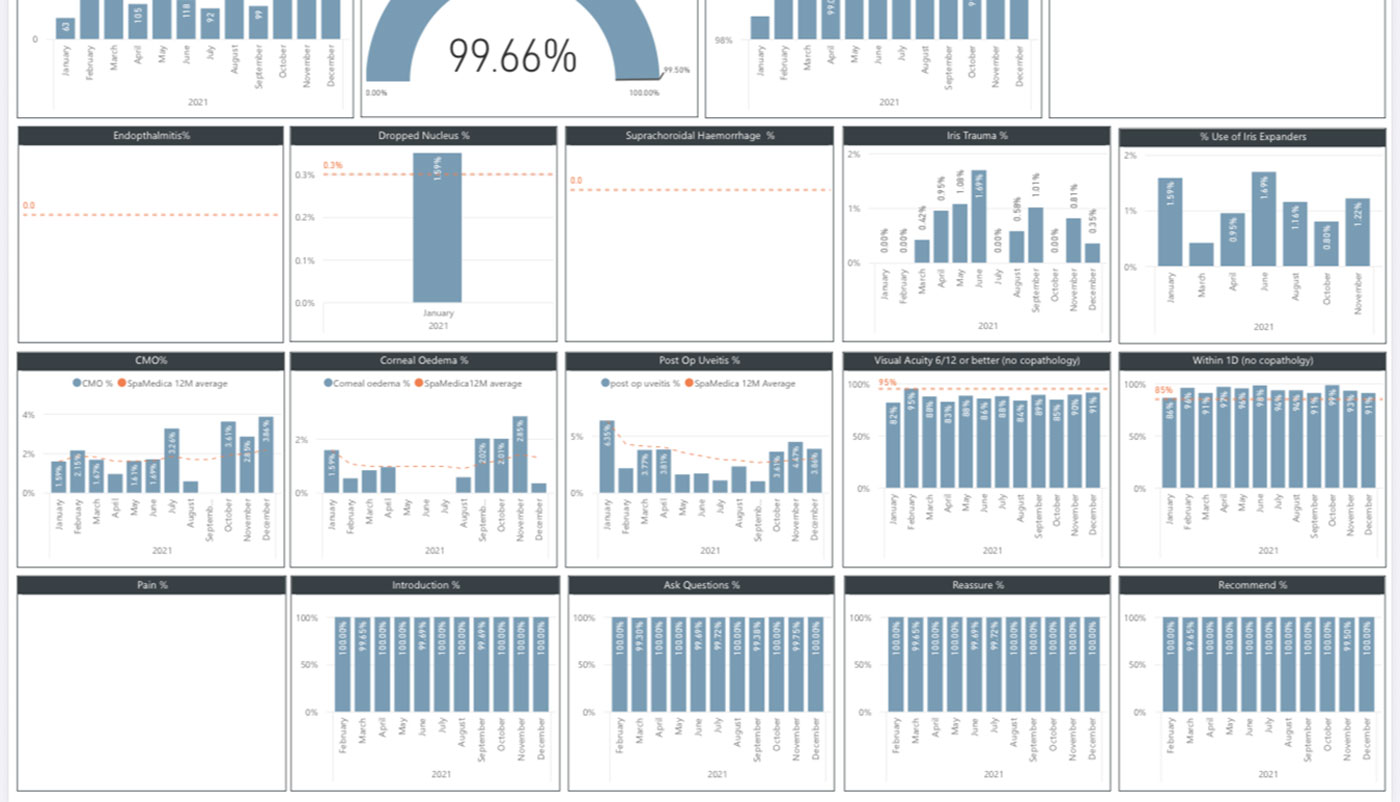
PCR-Free: 99.66% | PCR: 0.34% | Suprachoroidal Haemorrhage: 0% | Endophthalmitis: 0%
December 2020 - Partial Year (Aug–Dec 2020)
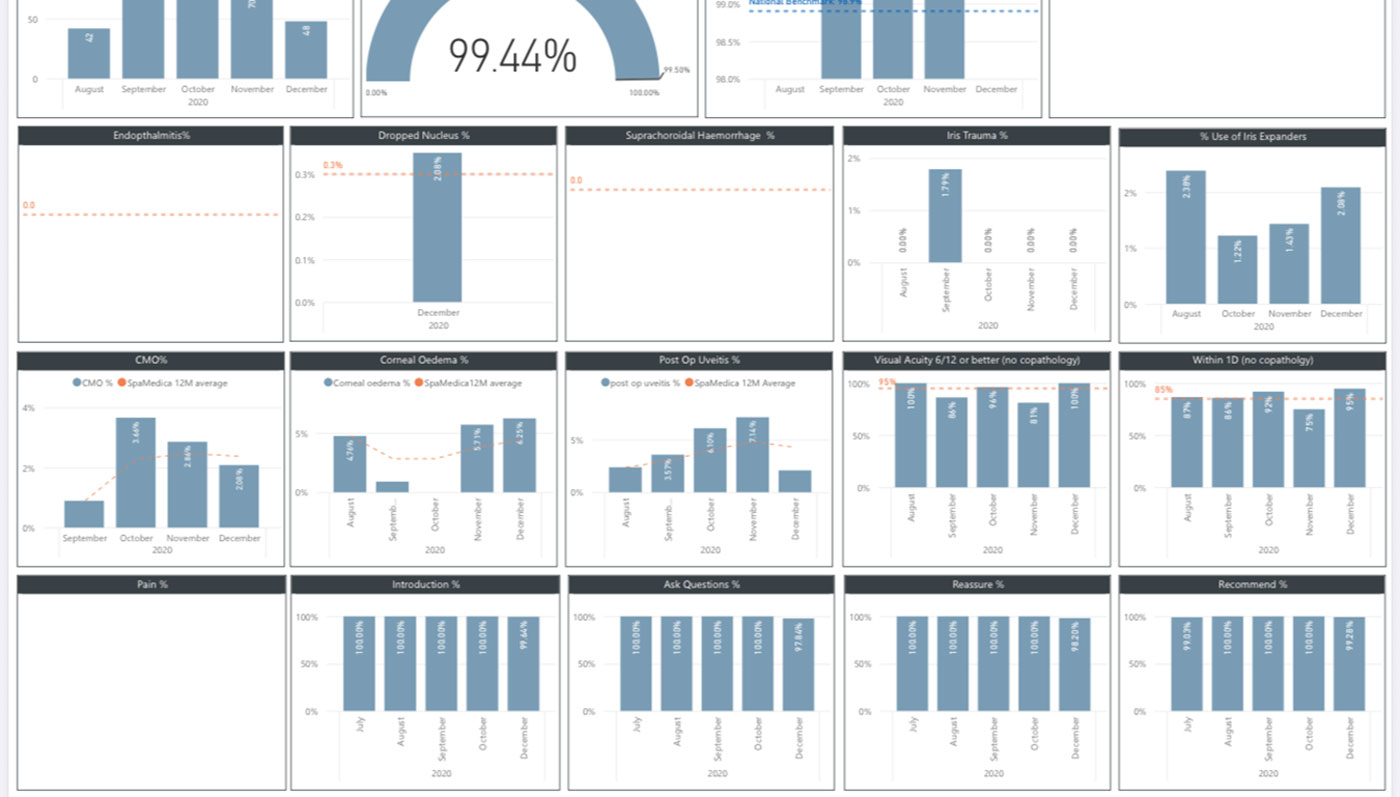
PCR-Free: 99.44% | PCR: 0.56% | Suprachoroidal Haemorrhage: 0% | Endophthalmitis: 0%
Schedule Your Consultation Today
To discuss your cataract surgery options with Mr Hove and the Blue Fin Vision® team, book a consultation at one of our consultant-led clinics across London, Hertfordshire, and Essex. With six years of independently audited outcomes and locations including Harley Street, Chelmsford, and Hatfield, you are trusting your vision to a clinic with documented results and personalised, consultant-led care. Visit bluefinvision.com or contact the team to arrange your appointment.