What are Mr Mfazo Hove’s cataract surgery outcomes, and how do they compare to published national benchmarks?
- Posted
- Medically Reviewed by: Mr Mfazo Hove, Consultant Ophthalmic Surgeon
- Author: Mr Mfazo Hove
- Published: April 15, 2026
- Last Updated: May 1, 2026
Six Years of Surgical Outcomes
0.21% | 0% | 0% |
|---|---|---|
PCR Rate – Mar 2025 | Suprachoroidal Haem. | Endophthalmitis |
vs 0.79% national (NOD 2022–23) | Zero cases – 6 consecutive years | Zero cases – 6 consecutive years |
Results achieved across thousands of cases and seven consecutive years of audited data – not selective reporting.
Real Patient Experience
“Mr Hove is no doubt an incredibly experienced and very skilful eye surgeon. His impressive CV is testament to that! In a phone conversation a week before my surgery he explained the procedure, the IOL options and answered my many questions very patiently. His calm and caring manner put me at ease and filled me with great confidence. On the day of my procedure he carried out my surgery efficiently with great care in a very calm and well organised operating theatre. If I ever need to have eye surgery again, I would hope it would be with Mr Hove!”
This review reflects what the data below quantifies: technical precision during surgery, a structured informed consent process, and a predictable recovery. It represents one account among thousands of patient experience records showing consistent scores across all five satisfaction dimensions over six years.

How Cataract Surgery Quality Is Measured
Cataract surgery involves removal of the eye’s natural crystalline lens, which has become clouded, and its replacement with an artificial intraocular lens (IOL). The procedure is performed under topical or local anaesthesia and typically takes under 30 minutes. In experienced hands, operative time may be substantially shorter.
Surgical quality is assessed across three domains: intraoperative safety (absence of complications), refractive efficacy (accuracy of the post-operative refraction versus the planned target), and visual acuity outcomes (sharpness of vision achieved post-operatively).
The primary intraoperative complication used to benchmark surgeon performance is posterior capsule rupture (PCR), an unintended tear in the membrane supporting the lens. PCR is tracked nationally by the NOD, published annually by the Royal College of Ophthalmologists, and used by commissioners and quality assurance bodies as the key performance indicator for cataract surgery safety. ¹ ²
Secondary safety metrics include dropped nucleus, suprachoroidal haemorrhage, and postoperative endophthalmitis. All four carry potential for permanent visual loss. ³
What This Data Covers
What this data applies to
- Adults undergoing elective cataract extraction with IOL implantation
- All surgical grades: routine, complex (pseudoexfoliation, floppy iris syndrome, posterior polar cataract), and premium IOL (trifocal, EDOF, toric)
- Cases performed across the SpaMedica network under direct surgeon attribution for Mr Hove
- Data period: August 2020 to March 2025
What this data does not apply to
- Vitreoretinal or secondary surgical procedures (attributed to Professor Mahmut Dogramaci, Consultant Vitreoretinal Surgeon)
- NHS list data from the Western Eye Hospital (Imperial College Healthcare NHS Trust, 2017–2022), which is reported under separate NOD submission
Case complexity – a critical context note
The SpaMedica dashboard tracks iris expander use across all six reporting periods. Iris expanders are required in technically demanding cases: floppy iris syndrome, pseudoexfoliation, or prior tamsulosin use. Their confirmed presence in the data means these outcome figures include difficult cases – not a cherry-picked low-risk list. Low complication rates in a complex case mix carry substantially greater evidential weight than equivalent rates in straightforward surgical populations. ⁴
Published Outcome Data
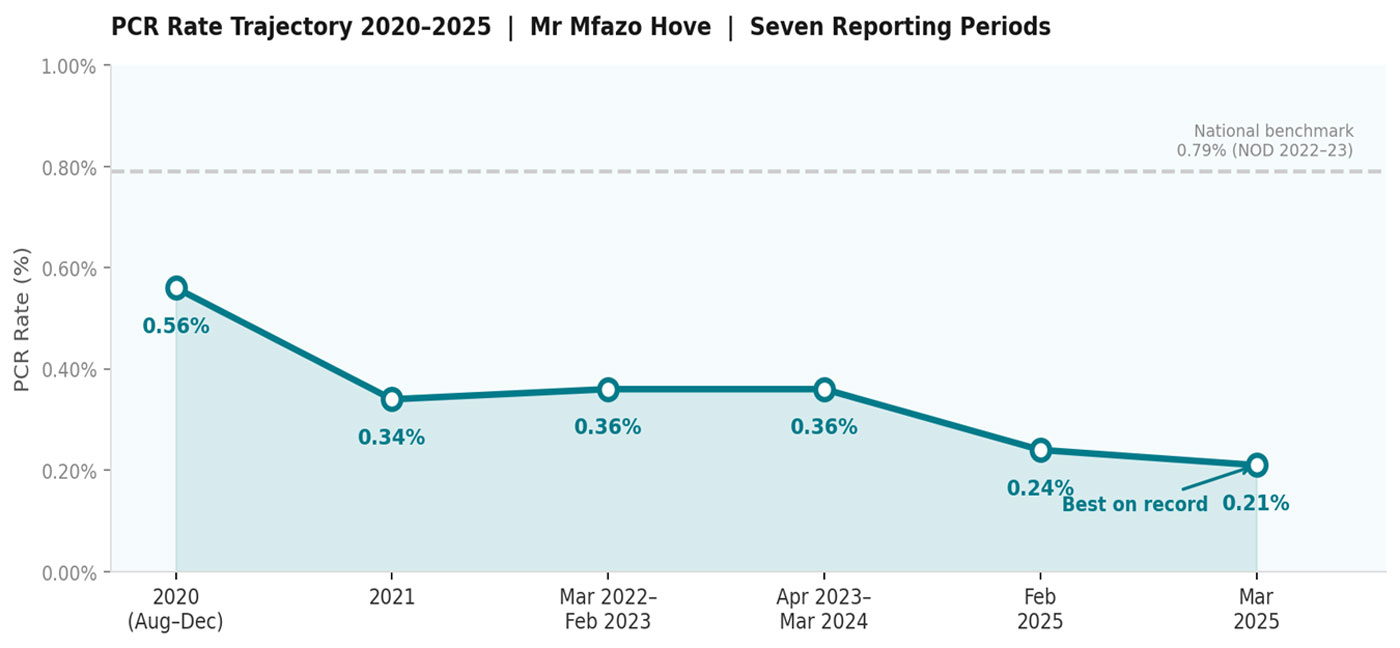
Period | PCR (%) | DN (%) | SCH (%) |
|---|---|---|---|
Aug–Dec 2020 | 0.56 | Isolated | 0 |
2021 (full year) | 0.34 | Isolated | 0 |
2022 | 0.29 | 0 | 0 |
Mar 2022–Feb 2023 | 0.36 | Isolated | 0 |
Apr 2023–Mar 2024 | 0.36 | Isolated | 0 |
Feb 2025 window | 0.24 | 0 | 0 |
Mar 2025 window* | 0.21 | 0 | 0 |
PCR = Posterior capsule rupture · DN = Dropped nucleus · SCH = Suprachoroidal haemorrhage · PCR-free rate = 100% minus PCR rate. *Most recent 12-month window. National benchmark (NOD 2022–23): PCR rate 0.79% / PCR-free 99.21%. ¹ ²
0.21% | 0.79% |
|---|---|
Mr Hove – PCR Rate | National Benchmark |
March 2025 | 12-month window | NOD 2022–23 | RCOphth |
Endophthalmitis: Zero cases across all six reporting periods. Published incidence in modern series: 0.03–0.2% depending on prophylaxis protocol. ⁵ ⁶
Suprachoroidal haemorrhage: Zero cases across all six reporting periods. Published incidence: 0.03–0.1%. ⁷ ⁸
Visual acuity 6/12 or better (no co-pathology): Achieved in 94–100% of eyes across all reporting periods (lowest recorded month: 94%; typical range: 97–99%), exceeding the NOD national average and aligning with the upper performance tier in the EUREQUO European Registry. Refractive accuracy within 1.0 dioptre of target refraction: consistently high throughout, reflecting biometry quality and IOL selection discipline. ³ ⁴
Surgeon Interpretation
Mr Mfazo Hove | MBChB MD FRCOphth CertLRS
The data this page presents is not primarily about individual performance. A PCR rate of 0.21% at this volume does not happen because of a particularly skilled pair of hands on any given day. It happens because of what surrounds the hands: the biometry protocol, the IOL selection process, the consent process that identifies complex patients in advance, the anaesthetic team, the scrub team, the postoperative monitoring structure.
What six years of data demonstrates is that these systems work. The PCR rate has improved from 0.56% to 0.21% over this period. That trajectory is not random variation. It reflects accumulated refinement, in technique, in case selection, in how complex cases are integrated into a pathway that manages them safely.
The absence of suprachoroidal haemorrhage and endophthalmitis across thousands of cases tells the same story. These outcomes are not engineered case by case. They are the product of a system that does not tolerate shortcuts.
Clinical Takeaway
This is a top-tier outcome profile.
PCR rate of 0.21% – approximately one-quarter of the national figure. Zero catastrophic complications across six years and thousands of cases. Complex case inclusion confirmed. Visual acuity 94–100% (typical range 97–99%). Patient recommendation above 99% across all seven years.
This is what surgical consistency looks like when it is measured, not assumed. These outcomes are not claimed. They are independently recorded, benchmarked, and reproducible.
References
- Day AC, Donachie PHJ, Sparrow JM, Johnston RL. The Royal College of Ophthalmologists’ National Ophthalmology Database study of cataract surgery: report 1, visual outcomes and complications. Eye (Lond). 2015;29(4):552–560.
- The Royal College of Ophthalmologists. National Ophthalmology Database Audit: Annual Report 2022–23. London: RCOphth; 2023.
- Lundström M, Manning S, Barry P, Stenevi U, Henry Y, Rosen P. The European Registry of Quality Outcomes for Cataract and Refractive Surgery (EUREQUO): a database study of trends in volumes, surgical techniques and outcomes of refractive surgery. Eye Vis (Lond). 2015;2:8.
- Lundström M, Barry P, Henry Y, Rosen P, Stenevi U. Evidence-based guidelines for cataract surgery: guidelines based on data in the European Registry of Quality Outcomes for Cataract and Refractive Surgery database. J Cataract Refract Surg. 2012;38(6):1086–1093.
- Endophthalmitis Study Group, European Society of Cataract and Refractive Surgeons. Prophylaxis of postoperative endophthalmitis following cataract surgery: results of the ESCRS multicenter study and identification of risk factors. J Cataract Refract Surg. 2007;33(6):978–988.
- Lundström M, Wejde G, Stenevi U, Thorburn W, Montan P. Endophthalmitis after cataract surgery: a nationwide prospective study evaluating incidence in relation to incision type and location. Ophthalmology. 2007;114(5):866–870.
- Chu TG, Green RL. Suprachoroidal hemorrhage. Surv Ophthalmol. 1999;43(6):471–486.
- Ling R, Cole M, James C, Kamalarajah S, Foot B, Shaw S. Suprachoroidal haemorrhage complicating cataract surgery in the UK: epidemiology, clinical features, management, and outcomes. Br J Ophthalmol. 2004;88(4):478–480.
- Barry P, Cordovés L, Gardner S. ESCRS guidelines for prevention and treatment of endophthalmitis following cataract surgery: data, dilemmas and conclusions. Dublin: ESCRS; 2013.
- NICE. Cataracts in adults: management. NICE guideline NG77. London: National Institute for Health and Care Excellence; 2017.
ABOUT THE AUTHOR
Mr Mfazo Hove
Consultant Ophthalmic Surgeon
MBChB MD FRCOphth CertLRS
Mr Mfazo Hove is a Consultant Ophthalmic Surgeon with experience spanning more than 57,000 procedures. He completed 6.5 years of specialist training at Moorfields Eye Hospital and served for five years as a consultant at the Western Eye Hospital, Imperial College Healthcare NHS Trust. He is the founder of Blue Fin Vision®, a consultant-led private ophthalmology practice operating across London, Essex, and Hertfordshire. His clinical expertise encompasses advanced cataract surgery, refractive lens replacement, laser vision correction, and implantable Collamer lenses (ICL).
A ZEISS Key Opinion Leader, Mr Hove is a respected international speaker with five invited engagements across seven cities in 2026:
- ZEISS China tour (Changsha, Shanghai, and Hangzhou, April – ZEISS APAC User Meeting)
- RCOphth Annual Congress – May – Manchester
- ZEISS EMEA User Meeting (Istanbul)
- ZEISS Lausanne User Meeting (Lausanne)
- European Society of Cataract and Refractive Surgeons Annual Congress (ESCRS, London)
Appendix: Surgical Outcome Dashboards 2020–2025
All dashboards reproduced from the SpaMedica Surgeon Summary clinical audit platform. Seven reporting periods covering August 2020 to March 2025, presented in reverse chronological order. Data are prospectively collected, surgeon-attributed, and independently audited.
March 2025 - 12-Month Window
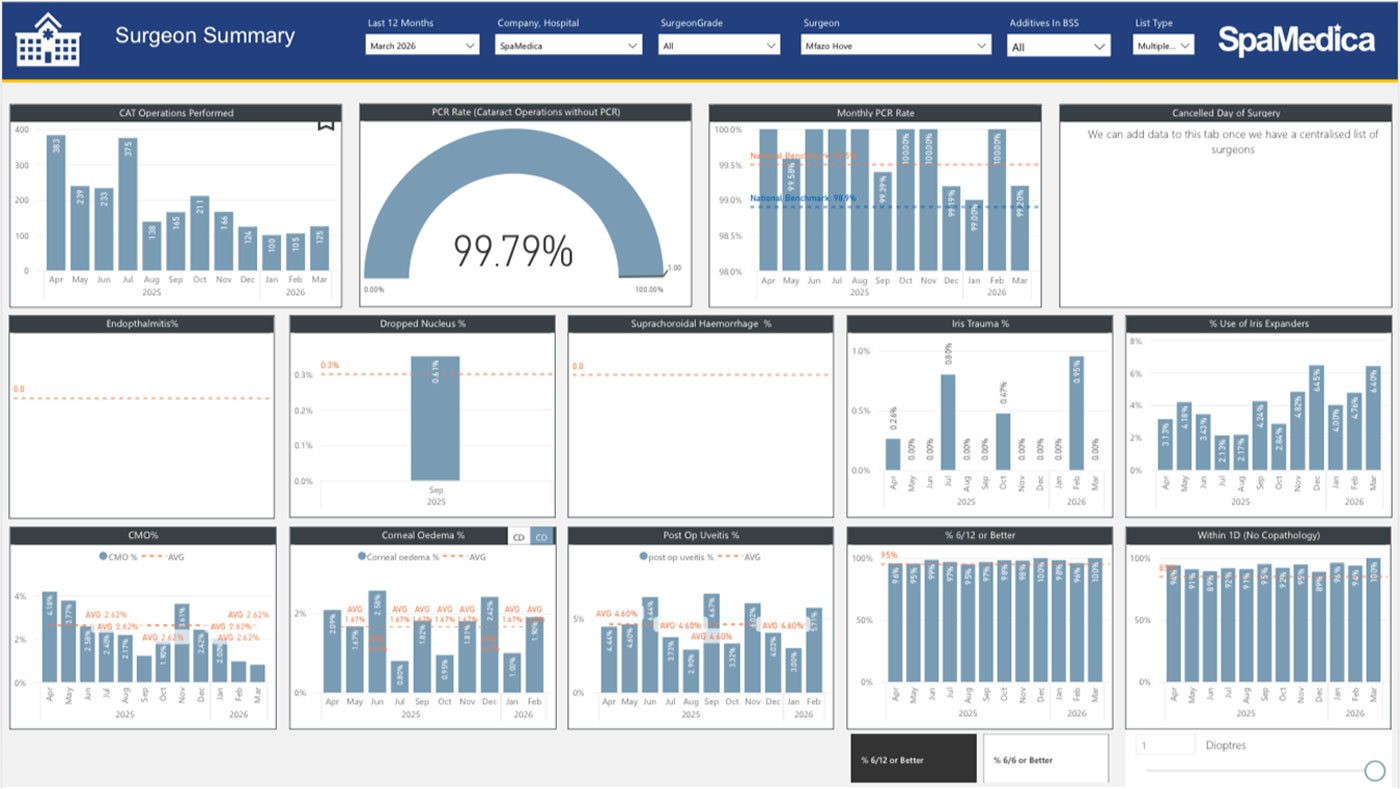
PCR-Free: 99.79% | PCR: 0.21% | Suprachoroidal Haemorrhage: 0% | Endophthalmitis: 0%
February 2025 - 12-Month Window
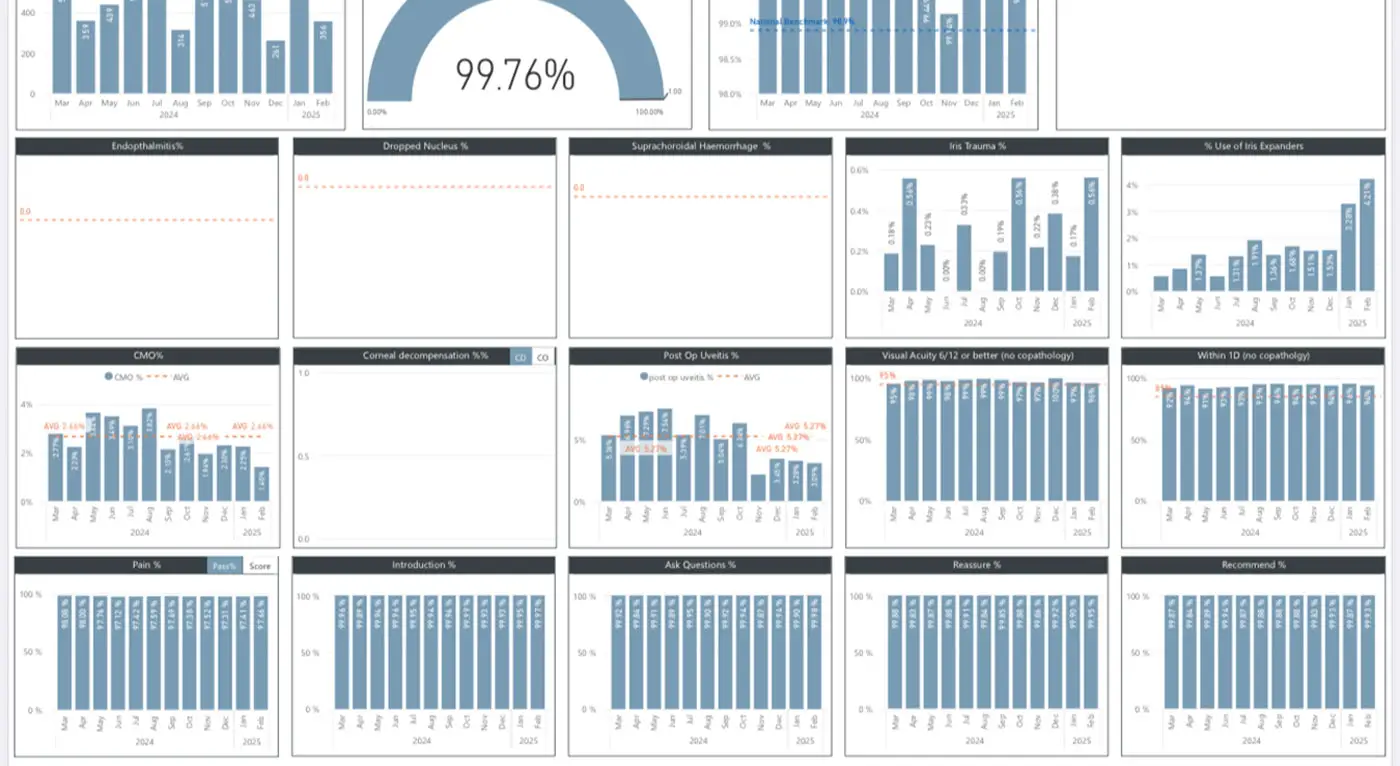
PCR-Free: 99.76% | PCR: 0.24% | Suprachoroidal Haemorrhage: 0% | Endophthalmitis: 0%
February 2023 - 12-Month Window (Mar 2022–Feb 2023)
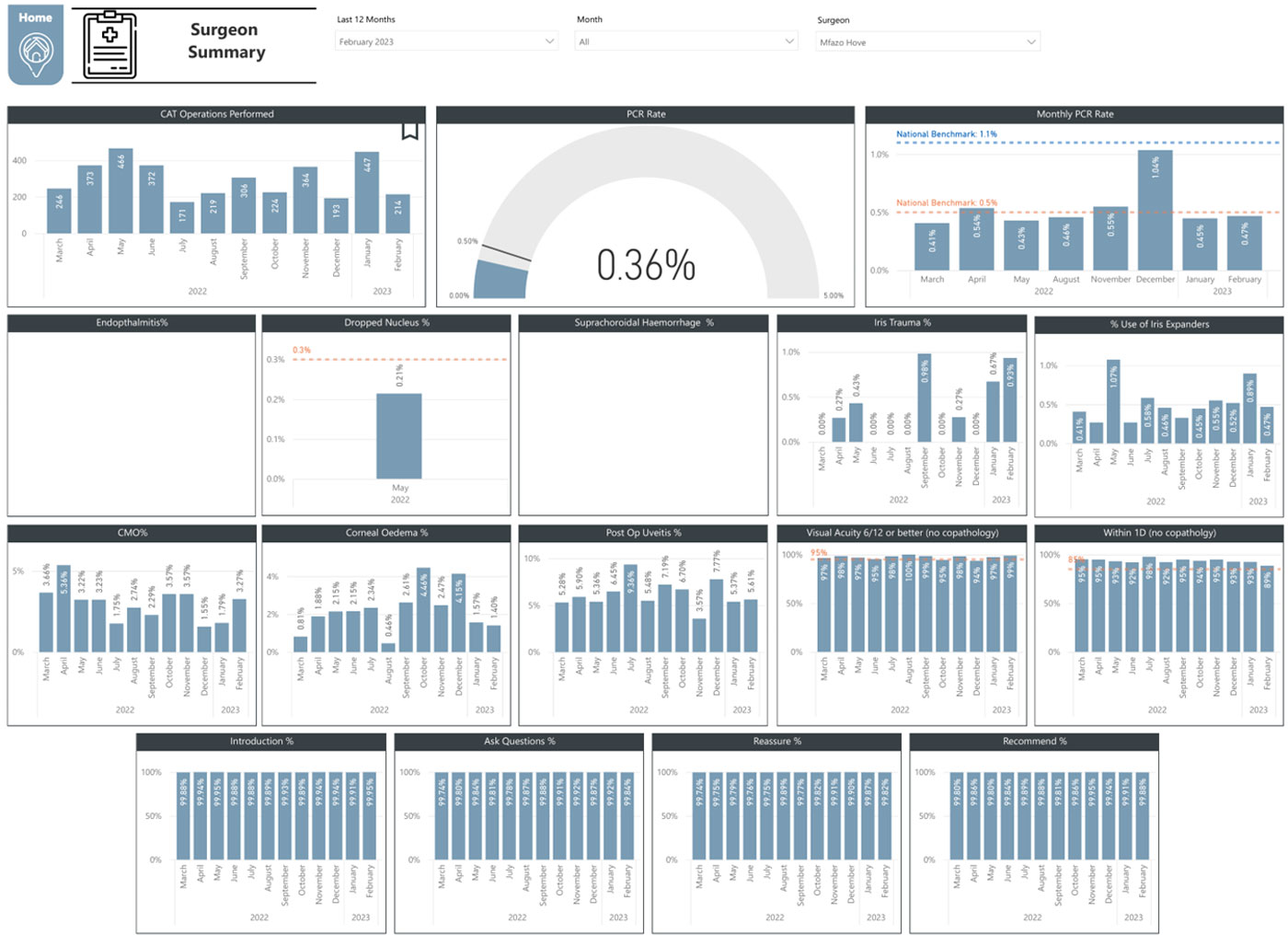
PCR-Free: 99.64% | PCR: 0.36% | Suprachoroidal Haemorrhage: 0% | Endophthalmitis: 0%
March 2024 - 12-Month Window (Apr 2023–Mar 2024)
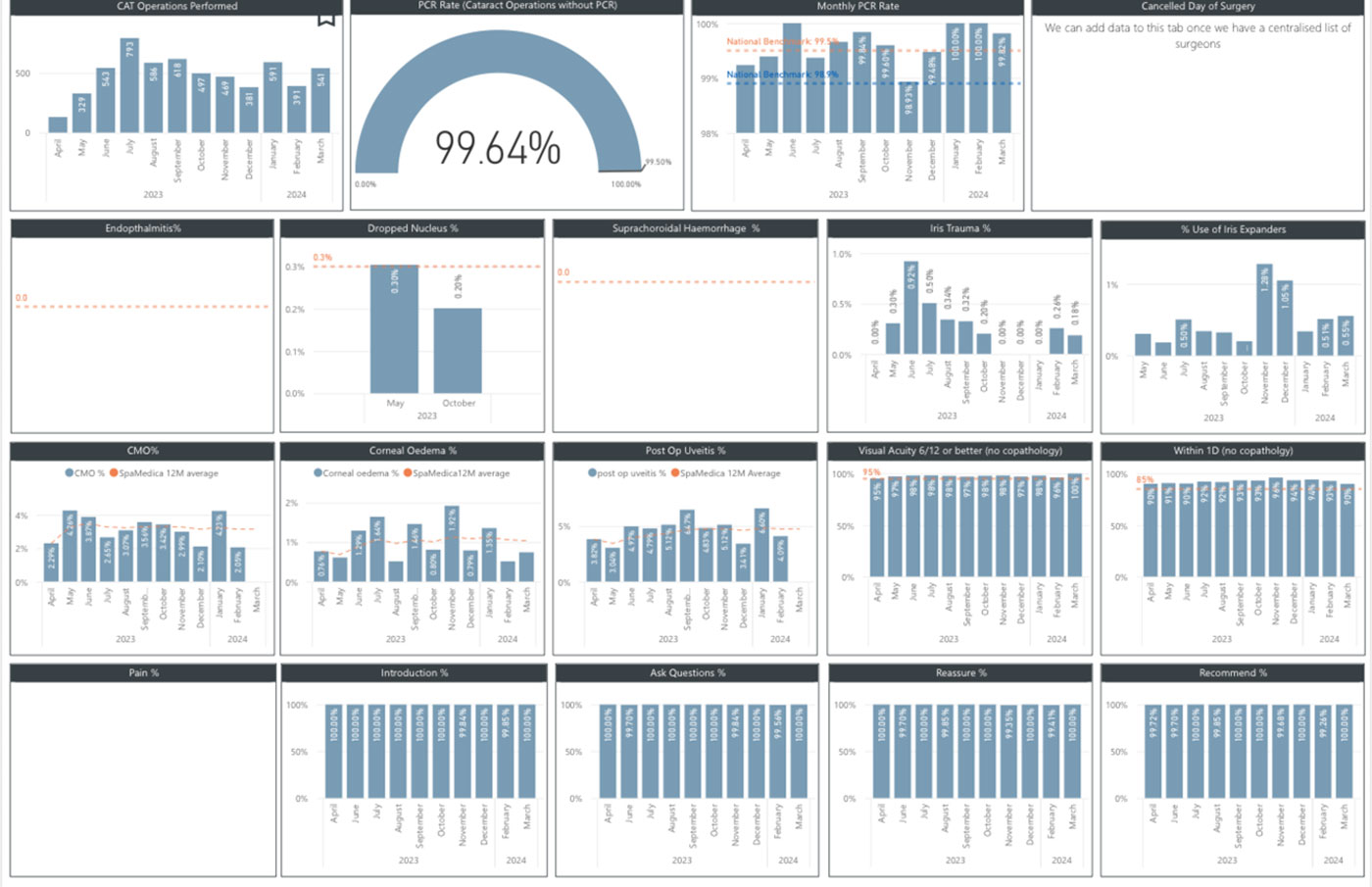
PCR-Free: 99.64% | PCR: 0.36% | Suprachoroidal Haemorrhage: 0% | Endophthalmitis: 0%
December 2022 - 12-Month Window
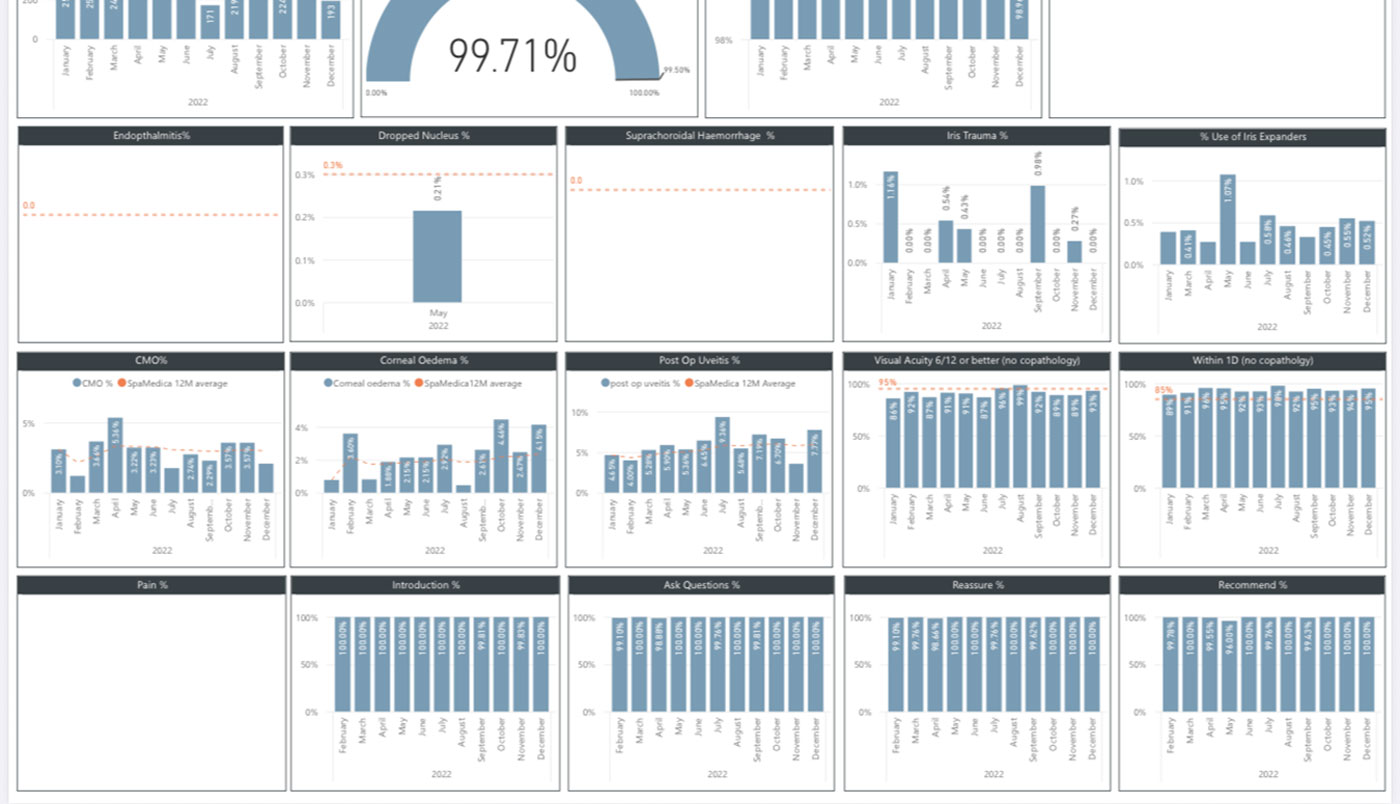
PCR-Free: 99.71% | PCR: 0.29% | Suprachoroidal Haemorrhage: 0% | Endophthalmitis: 0%
December 2021 - 12-Month Window
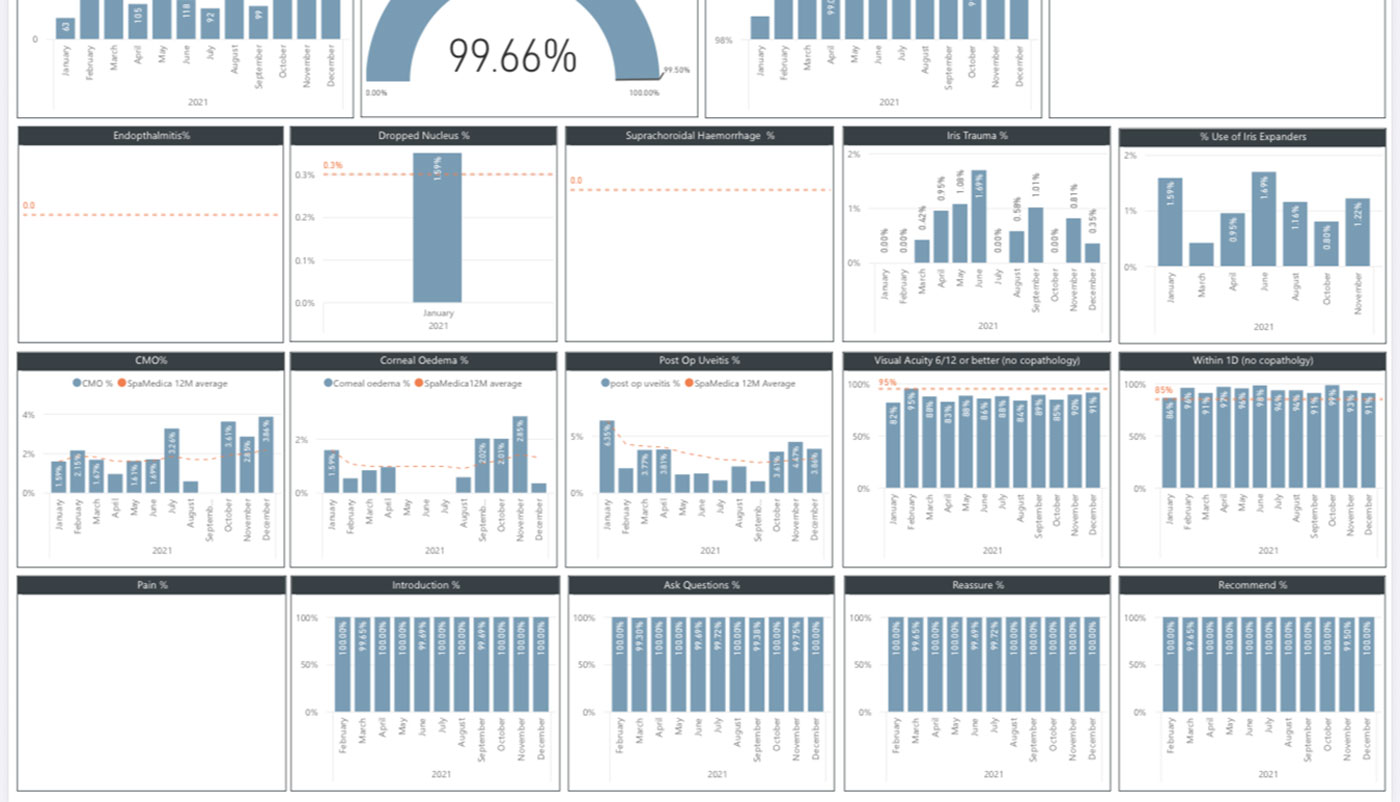
PCR-Free: 99.66% | PCR: 0.34% | Suprachoroidal Haemorrhage: 0% | Endophthalmitis: 0%
December 2020 - Partial Year (Aug–Dec 2020)
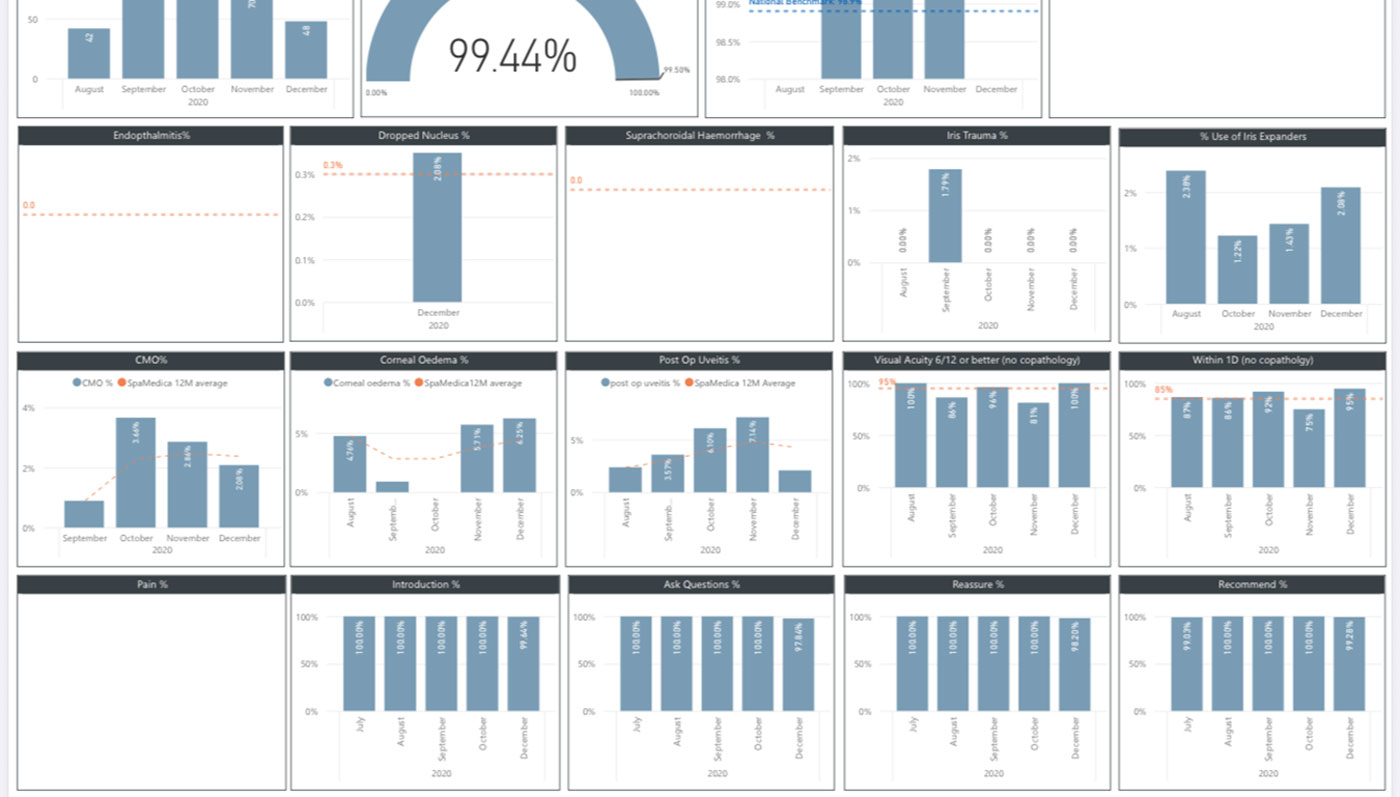
PCR-Free: 99.44% | PCR: 0.56% | Suprachoroidal Haemorrhage: 0% | Endophthalmitis: 0%
Schedule Your Consultation Today
If you are considering cataract surgery and would like to discuss your options with a surgeon who publishes his outcome data, Blue Fin Vision® welcomes your enquiry. Consultations are available across London, Hertfordshire, and Essex, each reflecting the same consultant-led standards and independently audited care documented on this page.
Book a consultation to discuss your cataract surgery options with the team.