



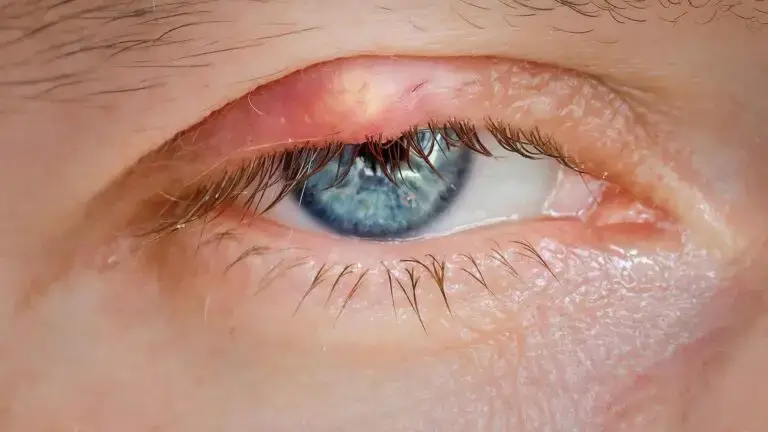
Chalazion Removal Risks
Chalazion removal is a common, low-risk procedure, but no procedure is risk-free. Blue Fin Vision® provides consultant-delivered assessment and treatment, with clear advice on normal recovery, possible complications and when to contact our team.
How Safe Is Chalazion Removal?
Incision and curettage, a small incision followed by removal of the chalazion’s contents, is performed through the inner surface of the eyelid under local anaesthetic, usually without stitches. Most side effects are minor and settle within days.
Serious complications are rare. However, because treatment takes place next to the eye, complications can affect the eye itself. Your consultant explains these risks before you decide whether to proceed.
A chalazion can resolve without treatment. The most important safety step therefore happens before the procedure: confirming that the lump really is a chalazion and that removal is appropriate for you.
Normal Side Effects After Surgery
Some changes after chalazion removal are expected as the eyelid heals. These are normal side effects rather than complications:
- Bruising and swelling: Greatest during the first day or two, then easing over the following week.
- Mild discomfort: A dull ache once the anaesthetic wears off, usually eased by paracetamol.
- Blood-tinged tears: These can occur on the first day.
- A firm area: The treated spot can feel firm for two to four weeks as it heals.
Remaining firmness often softens gradually. The result is usually assessed after about four weeks rather than immediately after treatment.
Short-Term Risks and Treatable Complications
Some patients experience complications that need advice or additional treatment. Your consultant explains what to look for and when to contact our team.
Bleeding
Steady bleeding is uncommon and usually stops with firm pressure for 10 minutes. If it does not stop, seek urgent advice.
Infection
Infection is uncommon. Signs include increasing pain, spreading redness, worsening swelling after the second day, discharge or a raised temperature.
Contact our team promptly if you notice these symptoms. Infection is treated with antibiotics.
Granulation Tissue
Granulation tissue is a small, red, fleshy bump that can form on the inner eyelid as it heals. It is harmless and usually settles.
Long-Term Risks After Chalazion Removal
New Chalazia
Treatment clears the existing chalazion, but new chalazia can develop in other eyelid glands. This is more likely if you have blepharitis, inflammation around the eyelid margins, or rosacea, a skin condition that can also affect the eyelids.
A new chalazion is different from the original lump not fully clearing.
Needing a Second Procedure
Up to one in ten chalazia need a second procedure because the first has not fully cleared the lump. This is more likely with long-standing, firm chalazia.
A remaining lump often softens over a few weeks, so the result is judged after about four weeks.
For self-funding patients, a second procedure is carried out at no additional charge at any of our locations under the Blue Fin Vision® Advantage. Insured patients claim through their insurer, subject to their policy.
Rare but Serious Complications
Injury to the Eye
The eye is shielded throughout the procedure. Very rarely, however, its surface can be scratched or the eye itself injured.
A surface scratch heals quickly. Deeper injury is very rare but could threaten vision.
Eyelid Damage
Very rarely, scarring can leave a notch in the eyelid margin, cause loss of eyelashes or change the eyelid’s shape. The risk is higher for chalazia at the eyelid margin.
Tear Duct Injury
Chalazia near the inner corner of the eye lie close to the tear drainage channels. Injury to these channels could cause a watering eye. Your consultant plans the approach carefully to protect them.
Risks by Treatment Type
The main choice is between continuing warm compresses and proceeding with incision and curettage. Your consultant will explain the benefits and risks of each approach.
Warm Compresses
- No surgical procedure or associated surgical risks
- No surgical bruising or swelling
- Lower chance of clearing persistent chalazia, particularly after two months¹
- Resolved 46% of chalazia at three weeks in one randomised study²
- Appropriate when the lump is still improving
Incision and Curettage
- Low-risk procedure under local anaesthetic
- Bruising and swelling expected for several days
- Rare serious risks include injury to the eye, eyelid or tear drainage channels
- Resolved 87% of chalazia at three weeks in the same randomised study²
- More suitable for persistent, firm chalazia that are unlikely to settle with further compresses
Who Has Higher Risk?
Certain features can increase the likelihood of complications, incomplete clearance or new chalazia:
- Long-standing or very firm chalazia: More likely to need a second procedure.
- Chalazia at the eyelid margin or inner corner: Require a careful approach to protect the eyelashes and tear drainage channels.
- Untreated blepharitis or rosacea: Increase the likelihood of new chalazia.
- Blood-thinning medication: Can increase bruising and oozing. Tell your consultant which medicines you take.
Your consultant considers these factors when planning treatment and explaining your individual risks.
A Lump That Is Not a Chalazion
Occasionally, a lump that looks like a chalazion is something else. Warning signs include:
- A lump that returns in exactly the same place
- Loss of eyelashes
- Ulceration or bleeding
- Thickening of the eyelid margin
- Persistent redness of one eyelid
A lump with these features is not managed as a routine chalazion. It needs prompt assessment, and your consultant will advise on the next step.
Red Flag Symptoms to Act On
Contact our team the same day, or attend your nearest emergency eye department out of hours, if you notice:
- Any reduction in vision or sudden loss of vision
- Increasing pain after the first 24 hours
- Redness or swelling spreading across the eyelid or face
- A fever or feeling generally unwell
- Bleeding that does not stop after 10 minutes of firm pressure
Mild discomfort, bruising and swelling are expected during early recovery. If you are unsure whether a symptom is normal, contact our team for advice.
Blue Fin Vision® Safety Standards
At Blue Fin Vision®, safety starts with confirming the diagnosis and deciding whether treatment is needed.
- Consultant-delivered care: Your consultant assesses and treats you personally.
- Diagnosis first: Every lump is examined for unusual features before treatment.
- Honest treatment options: We explain when waiting is the right choice.
- Aged 16 and over: We treat patients aged 16 and over under local anaesthetic. General anaesthetic is not part of our chalazion service.
- Clear aftercare: You receive written instructions and direct access to our team.
- Regulated facilities: Treatment takes place at Care Quality Commission (CQC)-regulated sites across London, Hertfordshire and Essex.
Your safety and cosmetic outcome are our absolute priority. If you have concerns about your suitability for chalazion removal, our expert team is here to discuss your individual risk profile and help you make an informed decision.
Book a consultation to discuss your eyelid lump, understand your individual risks and find out whether chalazion removal is appropriate for you.
References
- Wu AY, Gervasio KA, Gergoudis KN, Wei C, Oestreicher JH, Harvey JT. Conservative therapy for chalazia: is it really effective? Acta Ophthalmol. 2018;96(4):e503-9.
- Goawalla A, Lee V. A prospective randomized treatment study comparing three treatment options for chalazia: triamcinolone acetonide injections, incision and curettage and treatment with hot compresses. Clin Exp Ophthalmol. 2007;35(8):706-12.

