



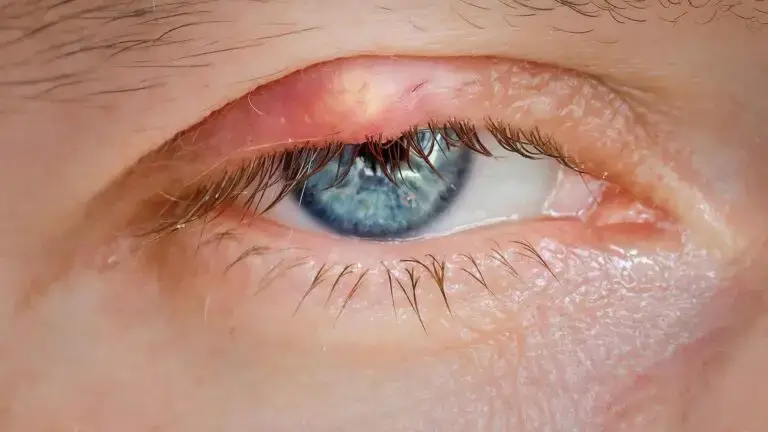
Chalazion Removal Suitability
Most people aged 16 and over with a chalazion that has not settled are suitable for removal. At Blue Fin Vision®, your consultant confirms the diagnosis and explains whether treatment is appropriate or whether warm compresses are worth trying for a few more weeks.
When Is Chalazion Removal Recommended?
A chalazion can resolve without treatment, so the decision is usually about when to intervene. Removal may be recommended when:
- Persistence: The lump has not settled after four to six weeks of regular warm compresses and lid massage.
- Duration: It has been present for more than two months, when conservative treatment is less likely to work.¹
- Vision: It presses on the eye, causing blurred vision or astigmatism, a change in the eye’s curvature that affects focus.
- Symptoms: It rubs, irritates or makes the eyelid feel heavy.
- Recurrence: Chalazia keep returning in the same eyelid.
- Appearance: The lump affects your confidence at work or socially.
Your consultant will explain whether removal is worthwhile or whether further home treatment may avoid a procedure.
Am I a Good Candidate for Chalazion Removal?
A simple self-assessment can help you understand whether it is time to arrange a consultation:
Factor | Reasonable to Wait for Now | More Suitable for Treatment |
|---|---|---|
How long the lump has been there | Less than two to four weeks | More than four to six weeks |
Response to warm compresses | Still shrinking | No change or growing |
Effect on vision | No effect, and the lump is small | Blurred vision or pressure on the eye |
Expectations | Expects no further chalazia ever | Understands that new chalazia can form |
If most of your answers fall in the right-hand column, a consultation is worthwhile. Answers in the left-hand column usually mean that more time or further discussion is needed, rather than treatment being ruled out.
The table does not apply to a lump with unusual features or an acutely red, hot, painful eyelid. These need assessment rather than continued waiting, as explained below.
Factors That Make Someone Highly Suitable
Patients particularly suited to chalazion removal often have:
- A single, well-defined chalazion: This offers the most predictable result.
- A lump present for more than two months: Further conservative treatment is less likely to clear it.¹
- A normal eyelid margin: There are no features suggesting another diagnosis.
- Good eyelid hygiene: Regular lid care helps lower the chance of new chalazia.
- Comfort with local anaesthetic: They are comfortable having a procedure lasting around 20 minutes while awake.
- Realistic expectations: They understand that the treated area can remain firm for a few weeks while it heals.
Treatment Options and Suitability Fit
Your consultant will explain which approach suits the duration, size and behaviour of your chalazion, alongside your preferences.
Warm Compresses and Lid Hygiene
Best for new, small or still changing chalazia, and for anyone who prefers to wait. Regular warm compresses, gentle massage and lid cleaning may allow the lump to settle without a procedure.
Incision and Curettage
Incision and curettage involves making a small incision and removing the chalazion’s contents under local anaesthetic. It is best suited to firm, long-standing or larger chalazia, and to patients seeking a higher chance of clearing the lump than with warm compresses alone.²
Your consultant will explain the benefits and limitations of each option so you can make an informed decision.
Complex Cases: Still Suitable, But Tailored
Additional factors do not necessarily rule out chalazion removal. Your consultant considers them when planning treatment.
Multiple or Recurrent Chalazia
Several chalazia can usually be treated at one visit. Repeated chalazia also highlight the need to manage underlying eyelid conditions, such as blepharitis or rosacea.
Blepharitis and Rosacea
Blepharitis, inflammation around the eyelid margins, and rosacea, a skin condition that can also affect the eyelids, commonly occur alongside chalazia.
We treat the lump and provide a plan for caring for the eyelid margins to help reduce the chance of new chalazia.
Blood-Thinning Medication
Blood-thinning medicines are usually continued, although you may experience more bruising. Tell your consultant what you take so treatment can be planned appropriately. Do not change prescribed medication without advice.
Pregnancy and Breastfeeding
Treatment under local anaesthetic is usually possible. If the chalazion is not causing problems, some women prefer to wait until after delivery.
Chalazia Near the Tear Duct or Eyelid Margin
These can still be treated but require a careful approach to protect the tear drainage channels and eyelashes.
Who Might Not be Suitable Right Now?
Chalazion removal may be postponed when:
- There is an active infection: A hot, painful or swollen eyelid needs the acute problem assessed and treated first. Removal is considered once this has settled.
- The lump is new and shrinking: A few more weeks of warm compresses may avoid the need for a procedure.
A red, hot, painful or tender swollen eyelid can signal infection and needs urgent assessment the same day by our team, your GP or an eye casualty department. This is not a reason simply to wait at home.
Patients Under 16
Our chalazion service treats patients aged 16 and over under local anaesthetic. We do not treat younger children through this service, and general anaesthetic is not offered for chalazion removal.
Most chalazia in children settle with warm compresses and lid hygiene. If a child’s chalazion is large or persistent, their GP or optometrist can advise on referral to a paediatric eye service.
Signs That Need Prompt Assessment
Some features suggest that a lump may not be a chalazion:
- Loss of eyelashes over or near the lump
- Ulceration, bleeding or crusting on the lump
- Thickening or distortion of the eyelid margin
- A lump that returns in exactly the same place after treatment
- Persistent redness or irritation of one eyelid only
A lump with these features is not managed as a routine chalazion. Book an assessment promptly rather than waiting. Your consultant will examine the eyelid and advise on the appropriate next step.
The Assessment Process at Blue Fin Vision®
Your suitability assessment includes a detailed consultation with your treating consultant.
Symptom and Treatment History
We discuss how long the lump has been present, what you have already tried and whether you have had chalazia before.
Eyelid Examination
Your consultant examines the lump and gently turns the eyelid out to inspect its inner surface. The examination also includes the eyelid margin, eyelashes and eye.
Diagnosis
We confirm whether the lump is a typical chalazion and check for any unusual features that need a different approach.
Treatment Options Discussion
We explain continued conservative care and incision and curettage, including the advantages and limitations of each option for you.
Risk and Benefit Discussion
Your consultant explains what is normal after treatment, which complications are uncommon and what to expect during recovery.
Personalised Plan
If treatment is appropriate, it can often take place at the same visit. If waiting is the better option, we will tell you.
What Sets Blue Fin Vision® Apart
Our consultant-delivered service provides:
- Personal assessment and treatment: Your consultant assesses and treats you personally.
- Honest advice: We will recommend waiting when further home treatment is worthwhile.
- Careful diagnosis: Every lump is examined for features that may suggest another condition.
- Same-visit treatment: Removal can often take place at your consultation when clinically appropriate.
- CQC-regulated facilities: Full compliance with UK clinical governance and audited outcomes
- Two procedures from one fee: A second procedure on the same chalazion is covered for self-funding patients under the Blue Fin Vision® Advantage if the first has not cleared it.
Take the First Step
Unsure whether your eyelid lump needs treatment? A consultation will help you understand what it is and whether removal is appropriate. If it does not need treatment, we will tell you.
Book your consultation today to discuss chalazion removal and discover how treatment can restore your confidence and eyelid appearance.
References
- Wu AY, Gervasio KA, Gergoudis KN, Wei C, Oestreicher JH, Harvey JT. Conservative therapy for chalazia: is it really effective? Acta Ophthalmol. 2018;96(4):e503-9.
- Goawalla A, Lee V. A prospective randomized treatment study comparing three treatment options for chalazia: triamcinolone acetonide injections, incision and curettage and treatment with hot compresses. Clin Exp Ophthalmol. 2007;35(8):706-12.

