




- Medically Reviewed by: Mr Mfazo Hove, Consultant Ophthalmic Surgeon
- Author: Mr Mfazo Hove
- Published: October 14, 2025
- Last Updated: October 28, 2026
TL;DR: The best pterygium surgery is the one least likely to need repeating, which depends on technique, timing and honest advice more than location. For patients in North West London, Blue Fin Vision® performs pterygium surgery with conjunctival autograft, using tissue from another part of your eye to cover the area after removing the growth. Surgery takes place at Weymouth Street Hospital in central London.
Weymouth Street Hospital is at 42-46 Weymouth Street, W1G 6NP.
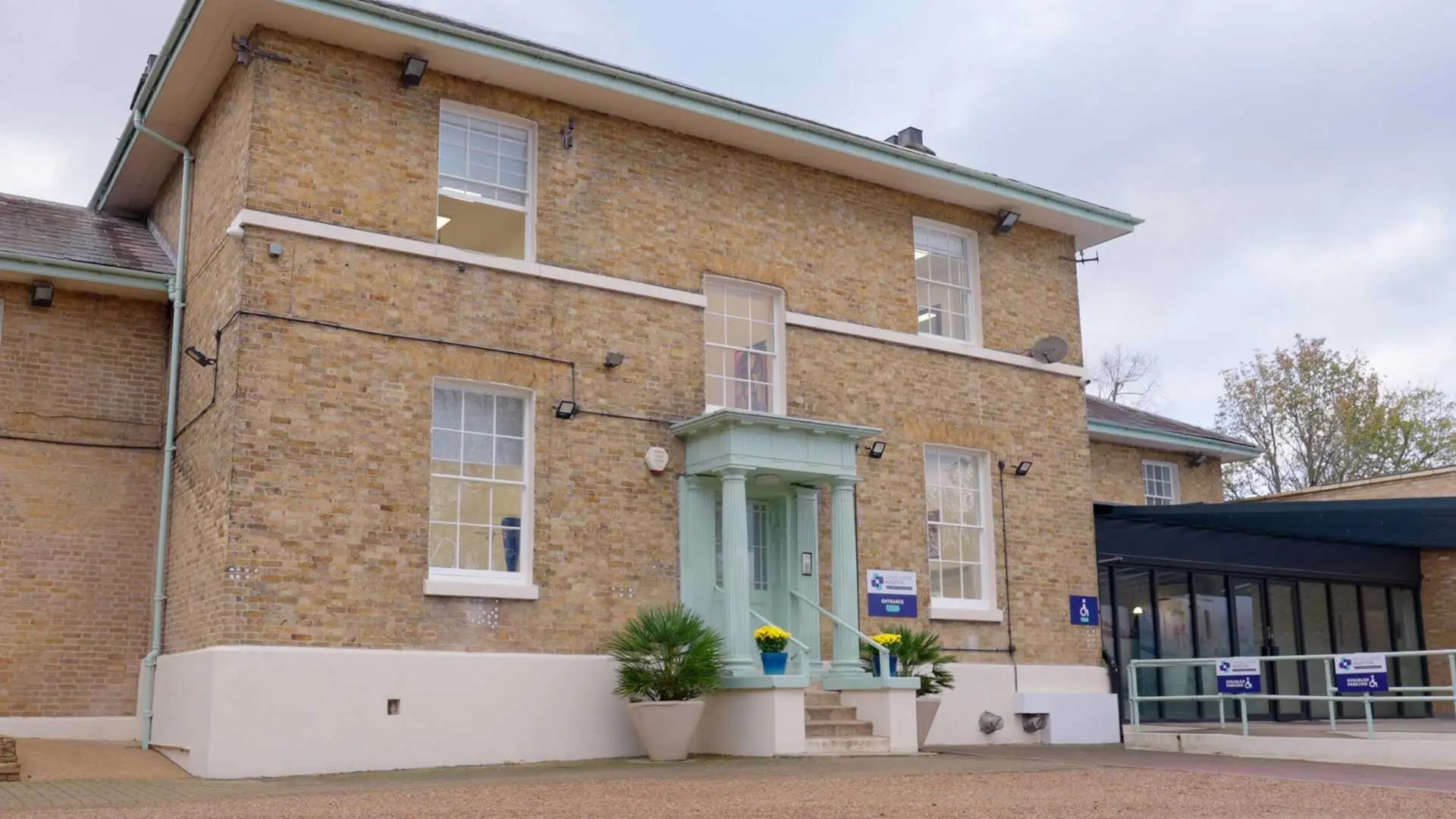
Blue Fin Vision® also operates at Chase Lodge Hospital in Mill Hill. Ask when you book which site suits you for consultation and follow-up.
The measure of pterygium surgery is not how the eye looks at one week. It is whether the pterygium is still gone a year later.
Know Which One You Have
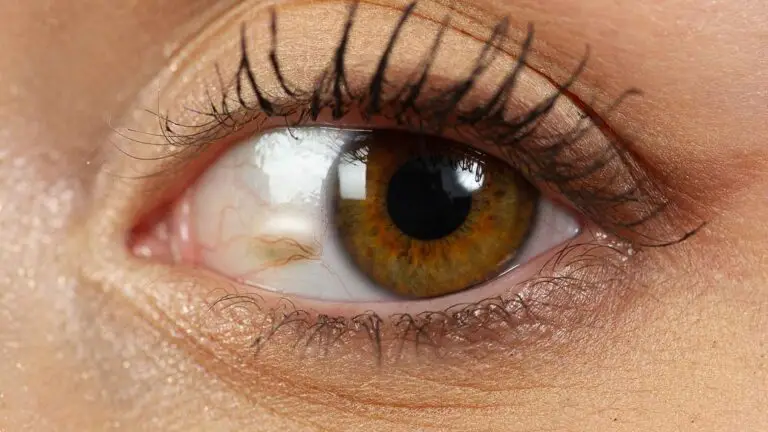
A pinguecula stays on the white of the eye.

A pterygium grows onto the cornea, the clear front surface of the eye, and needs a different operation.
Choosing Pterygium Removal for North West London Patients
When choosing an eye clinic, ask these five questions.
- Which Technique Will You Use?
Ask specifically. Excision, meaning surgical removal, with a conjunctival autograft carries a lower risk of recurrence, meaning the growth returning, than amniotic membrane grafting, which uses donated tissue from the membrane surrounding a baby during pregnancy.¹
A conjunctival autograft also reduces recurrence compared with leaving the white of the eye bare.² If a provider plans bare-sclera excision alone, meaning removal without a graft to cover the exposed white of the eye, ask why.
- How Is Your Vision Affected?
Ask how far the pterygium has grown onto the cornea and whether it is affecting your vision.
A pterygium can pull the cornea out of shape and cause astigmatism, an uneven curvature that can blur or distort vision. The assessment should measure this, because it influences both timing and what your vision is likely to be afterwards.
- When Is Surgery for Pterygium Appropriate?
Surgery before the pterygium reaches the line of sight gives the cornea the best chance of a smooth recovery.
But a small pterygium that is not inflamed or causing troublesome symptoms may simply be monitored, with sun protection, since ultraviolet exposure from sunlight is the main driver.³ ⁴
- Who Performs the Surgery?
At Blue Fin Vision®, your consultant carries out the procedure personally.
- What Happens if It Returns?
Recurrence is more likely in younger patients. A provider should explain its follow-up and what it would do if the pterygium returned.
Recurrent pterygia, growths that return after removal, can usually still be treated successfully, and the graft technique benefits them most.¹
What to Expect
Removal of pterygium takes place under local anaesthetic, which numbs the treatment area. You go home the same day with eye drops.
Recovery typically follows these stages:
- Corneal healing: the small area on the cornea where the pterygium was lifted usually heals within 24 to 48 hours.
- Returning to work: most people return within three to seven days.
- Redness: this fades over two to six weeks.
- Full settling: the eye fully settles over three to six months.
A pinguecula often accompanies a pterygium⁵ and can be assessed at the same visit.
Cost
For North West London patients, pterygium excision with conjunctival autograft is priced per eye on our costs page, with patient finance available.
Read more about treatment, suitability, risks and our locations:
- Pterygium and Pinguecula Removal
- Suitability
- Risks
- FAQs
- Patient Information
- Weymouth Street Hospital
- Chase Lodge Hospital
Book a consultation with Blue Fin Vision® to discuss whether pterygium surgery is suitable for you.
References
- Clearfield E, Muthappan V, Wang X, Kuo IC. Conjunctival autograft for pterygium. Cochrane Database Syst Rev. 2016;2(2):CD011349. doi:10.1002/14651858.CD011349.pub2.
- Kaufman SC, Jacobs DS, Lee WB, Deng SX, Rosenblatt MI, Shtein RM. Options and adjuvants in surgery for pterygium: a report by the American Academy of Ophthalmology. Ophthalmology. 2013;120(1):201-8.
- Coroneo MT. Pterygium as an early indicator of ultraviolet insolation: a hypothesis. Br J Ophthalmol. 1993;77(11):734-9.
- Liu L, Wu J, Geng J, Yuan Z, Huang D. Geographical prevalence and risk factors for pterygium: a systematic review and meta-analysis. BMJ Open. 2013;3(11):e003787. doi:10.1136/bmjopen-2013-003787.
- Panchapakesan J, Hourihan F, Mitchell P. Prevalence of pterygium and pinguecula: the Blue Mountains Eye Study. Aust N Z J Ophthalmol. 1998;26 Suppl 1:S2-5.
ABOUT THE AUTHOR
Mr Mfazo Hove
MBChB MD FRCOphth CertLRS
Consultant Ophthalmic Surgeon | Founder and Medical Director, Blue Fin Vision®
Mr Mfazo Hove is a Consultant Ophthalmic Surgeon with more than two decades of experience across NHS and private practice and more than 57,000 ophthalmic procedures performed. He trained for six and a half years at Moorfields Eye Hospital and served for five years as an NHS consultant at the Western Eye Hospital, Imperial College Healthcare NHS Trust.
He specialises in cataract surgery, refractive lens replacement, laser vision correction and implantable Collamer lenses (ICL). He is the founder and Medical Director of Blue Fin Vision®, a private ophthalmology group providing consultant-delivered care across London, Hertfordshire and Essex. His cataract surgery outcomes are publicly reported through the National Ophthalmology Database.
A ZEISS Key Opinion Leader and international speaker, Mr Hove is a contributing author to The Ophthalmologist and Ophthalmology Times. His writing examines how clinical governance and the organisation of ophthalmic services shape patients’ experiences and outcomes, with a focus on transparent outcome reporting, surgical training and long-term accountability for patient care.


