



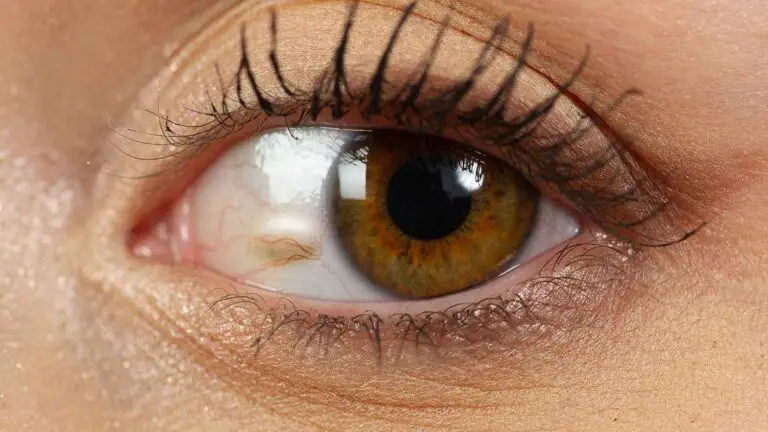
Pterygium & Pinguecula Removal Recovery
Pterygium and pinguecula removal recovery is typically straightforward, with most patients returning to normal activities within days to weeks. Blue Fin Vision®’s consultant-led protocol delivers practical aftercare advice for a smooth healing process and optimal outcomes.
First 24 Hours After Surgery
The day of surgery focuses on rest and protection of the treated eye. Most patients go home the same day and can resume light activities almost immediately.
- Redness and bloodshot appearance around the surgical site are normal and expected, often appearing more dramatic than anticipated
- Mild to moderate discomfort, grittiness or foreign body sensation in the eye
- Watering and light sensitivity, particularly in bright conditions
- Temporary blurred vision due to ointment, drops and surface healing
- Mild swelling of the conjunctiva (chemosis) around the operated area
Begin using prescribed antibiotic and anti-inflammatory drops as instructed. Wear the protective eye shield when sleeping to prevent accidental rubbing. Avoid touching, rubbing or pressing on the eye. A companion should drive you home, and you should rest quietly for the remainder of the day.
Days 2 to 7: Early Healing Phase
By the second day, discomfort typically begins to ease, though redness remains prominent. The eye surface begins its initial healing during this phase.
Key expectations during this period:
- Redness gradually improves but may still appear significant, particularly after pterygium surgery with conjunctival graft
- Foreign body sensation and grittiness continue but lessen day by day
- The graft site (if applicable) may appear raised, swollen or discoloured initially
- Light sensitivity improves, though sunglasses remain helpful outdoors
- Vision becomes clearer as surface swelling settles, though mild blurring may persist
Continue using drops exactly as prescribed. Antibiotic drops prevent infection while steroid or anti-inflammatory drops control swelling and promote healing. Attend your first follow-up appointment, typically within the first week, to check healing progress.
Weeks 2 to 4: Steady Improvement
Redness continues to fade, and the eye begins to look and feel more normal. Most patients feel comfortable returning to work and social activities during this phase.
Key milestones:
- Redness reduces significantly, though some pink discoloration may persist, particularly around the graft site
- Comfort improves substantially, with grittiness and foreign body sensation resolving
- Vision stabilises as the corneal surface heals and any induced astigmatism settles
- The conjunctival graft (if used) begins to integrate and flatten
- Sutures, if used, may dissolve or be removed at follow-up
- Second follow-up appointment to assess healing and graft integration
Antibiotic drops are usually stopped after one to two weeks. Steroid drops continue on a tapering schedule as advised by your consultant. Continue wearing sunglasses outdoors to protect the healing eye from UV exposure.
Weeks 4 to 12: Full Healing and Stabilisation
By four to six weeks, the eye should feel comfortable and appear much improved. Full cosmetic results continue to develop over several months as the surgical site matures.
- Redness resolves almost completely in most patients
- The graft site blends with surrounding tissue and becomes less noticeable
- Any residual corneal haze from pterygium removal continues to fade
- Vision reaches its final stable level
- Final follow-up appointment confirms successful outcome and discusses long-term care
Full healing and cosmetic maturation can take three to six months. Some patients notice continued improvement in appearance for up to a year after surgery.
Recovery Tips for Optimal Healing
Blue Fin Vision® provides detailed written aftercare instructions tailored to your procedure. Follow these practical steps for the best outcome:
- Use drops correctly: Shake bottles before use, wait five minutes between different drops, and complete the full course as prescribed
- Protect your eye: Wear the eye shield when sleeping for the first week; avoid rubbing or touching the eye
- Wear sunglasses: UV protection is essential during healing and long-term to reduce recurrence risk; choose wraparound styles for best protection
- Avoid irritants: Stay away from dusty, smoky or windy environments during the first two weeks
- Keep water out: Avoid swimming, hot tubs and saunas for at least four weeks; take care when showering to prevent water entering the eye
- Rest your eyes: Limit screen time in the first few days if your eyes feel strained
- Stay hydrated: Good hydration supports ocular surface health
- Attend all follow-ups: Regular appointments allow early detection of any complications or recurrence
- Contact Blue Fin Vision®: Reach out immediately for increasing pain, worsening redness, discharge or vision changes
When Can You Return to Normal Activities?
Activity | Timeline | Notes |
|---|---|---|
Driving | 1–3 days | Once vision is clear and comfortable; confirm with your consultant |
Work (desk/light) | 2–7 days | Longer for manual or screen-heavy roles |
Reading/TV/screens | Day 1–2 | Use good lighting; take regular breaks |
Exercise (light walking) | Day 2+ | Avoid strenuous activity that causes sweating near eyes |
Swimming/gym/heavy lifting | 4–6 weeks | Avoid until cleared by your surgeon |
Eye makeup | 2–3 weeks | Once surface fully healed |
Contact lens wear | 4–8 weeks | Confirm timing at follow-up; surface must be fully healed |
Flying/travel | 1–2 weeks | Check with airline; bring drops and written aftercare instructions |
Timelines vary by procedure type and individual healing. Argon laser photocoagulation patients typically return to all activities faster than surgical patients. Always follow your consultant’s specific guidance.
Managing Common Recovery Concerns
Redness and Bloodshot Appearance
Redness is the most visible aspect of recovery and can appear dramatic, particularly after pterygium surgery with conjunctival graft. This is normal and reflects the healing process. Redness typically peaks in the first few days and gradually fades over two to six weeks. Subconjunctival haemorrhage (bleeding under the conjunctiva) may occur and looks alarming but resolves without treatment over one to two weeks.
Foreign Body Sensation and Grittiness
A gritty or scratchy feeling is common as the eye surface heals. This usually improves significantly within the first week and resolves completely over two to four weeks. Lubricating drops (preservative-free artificial tears) can be used frequently for comfort in addition to your prescribed drops.
Swelling
Mild swelling of the conjunctiva (chemosis) is common, particularly after pterygium surgery. This typically settles within the first one to two weeks. If significant swelling persists or worsens, contact the clinic for review.
Watering and Discharge
Increased tear production and mild watery discharge are normal during early healing. If discharge becomes thick, yellow or green, this may indicate infection and requires prompt assessment.
Blurred Vision
Temporary blurring is common due to surface irregularity, drops and ointment. Vision typically improves significantly within the first week and continues to stabilise over the following weeks. If vision worsens rather than improves, contact the clinic.
Graft Appearance
If a conjunctival autograft was used, the graft may initially appear raised, swollen or slightly discoloured. Over the following weeks, the graft settles, flattens and blends with surrounding tissue. Minor irregularities usually smooth out as healing progresses.
Suture-Related Discomfort
If sutures were used (rather than fibrin glue), you may feel occasional irritation or foreign body sensation from the suture material. Dissolvable sutures typically absorb within two to four weeks. Non-dissolvable sutures are removed at a follow-up appointment once healing is adequate.
Post-Operative Drop Schedule
Blue Fin Vision® provides prescribed drops with clear instructions. A typical drop regimen includes:
- Antibiotic drops: Usually four times daily for one to two weeks to prevent infection
- Steroid or anti-inflammatory drops: Usually four times daily initially, then tapered gradually over four to eight weeks to control inflammation
- Lubricating drops: Used as needed for comfort; preservative-free artificial tears are recommended
Your consultant provides a personalised drop schedule based on your procedure and healing progress. Adjustments may be made at follow-up appointments.
Post-Operative Follow-Up Schedule
Blue Fin Vision® provides structured follow-up appointments to monitor your recovery and detect any concerns early. Your consultant will confirm the specific schedule based on your procedure and individual needs.
Typical follow-up appointments include:
- Early review (days 1–7): Assessment of initial healing, graft position (if applicable), drop compliance and any early concerns
- Intermediate review: Evaluation of continued healing, redness resolution, drop tapering and suture removal if needed
- Final review: Confirmation of successful outcome, assessment for recurrence and discussion of long-term care
- Ongoing monitoring: As required for patients with higher recurrence risk or any concerns
Regular follow-ups ensure any issues are addressed promptly and allow early detection of recurrence, when re-treatment is most effective.
Reducing Recurrence Risk
Recovery does not end when the eye looks healed. Taking steps to reduce recurrence risk supports lasting results, particularly after pterygium removal:
- Wear UV-protective sunglasses: This is the single most important step; choose wraparound styles that block UVA and UVB
- Wear a wide-brimmed hat: Provides additional protection from above and sides
- Avoid prolonged sun exposure: Particularly during peak UV hours (10am to 4pm)
- Use lubricating drops regularly: Maintaining a healthy ocular surface reduces irritation that may contribute to recurrence
- Attend follow-up appointments: Early detection of recurrence allows prompt re-treatment
- Report any changes: Contact the clinic if you notice regrowth, increasing redness or returning symptoms
What to Expect Emotionally
Pterygium and pinguecula removal is often motivated by discomfort or self-consciousness about eye appearance. The recovery period can bring a mix of emotions, which is completely normal. Some patients report:
- Relief that the growth has been removed
- Mild anxiety during the red, swollen phase when the eye looks temporarily worse
- Growing confidence as redness fades and the eye appears clearer and whiter
- Renewed enjoyment of social situations, photographs and eye contact without self-consciousness
- Appreciation for improved comfort, particularly if chronic irritation has resolved
Our team is here to support you throughout your recovery journey, answering questions and providing reassurance at every stage.
Your Recovery, Our Priority
At Blue Fin Vision®, your smooth and successful recovery is our absolute priority. We provide comprehensive aftercare support, clear written instructions, prescribed drops and accessible follow-up appointments at all our London, Chelmsford and Hatfield locations.
If you have any concerns during your recovery, however minor they may seem, please contact us. Early intervention prevents complications and ensures you enjoy the full benefits of your pterygium or pinguecula removal as quickly as possible.
Book your consultation today to discuss your pterygium or pinguecula removal journey and what recovery will look like for you.

