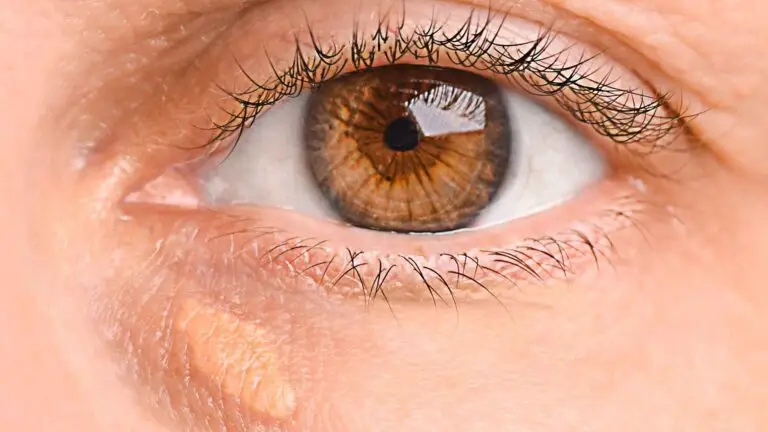
Xanthelasma Removal Suitability
Xanthelasma removal is suitable for most people troubled by the appearance of yellowish eyelid plaques, but individual assessment is key. At Blue Fin Vision®, consultants determine eligibility, optimal technique and tailored approaches for complex cases.
When is Xanthelasma Removal Recommended?
Treatment is advised when xanthelasma affects confidence, appearance or, in advanced cases, eyelid function, rather than simply because lesions are present. Common triggers for seeking removal include:
- Self-consciousness about visible yellow plaques on or around the eyelids
- Lesions that have grown larger or multiplied over time
- Concern that xanthelasma makes you appear older or unwell
- Difficulty applying makeup or skincare products around the affected area
- In rare cases, very large lesions that interfere with eyelid movement or peripheral vision
The decision balances cosmetic concerns against lesion characteristics and overall health. Early intervention often yields better outcomes, as smaller lesions typically respond more favourably to treatment with lower recurrence rates.
Am I a Good Candidate for Xanthelasma Removal?
Most adults with visible xanthelasma who are bothered by its appearance are suitable candidates. A quick self-assessment can indicate readiness:
Factor | Less Suitable | More Suitable |
|---|---|---|
Lesion size | Large (over 10mm) or deep | Small to moderate (under 10mm) |
Lesion height | Over 2mm, infiltrating muscle | Under 2mm, superficial |
Number of eyelids affected | All four eyelids | One or two eyelids |
Previous treatment | Multiple recurrences | First-time removal |
Cholesterol levels | Uncontrolled or untested | Well-managed or normal |
Underlying health | Uncontrolled diabetes, thyroid or liver conditions | Stable, well-managed health |
Expectations | Expects guaranteed permanent removal | Understands recurrence is possible |
Commitment to aftercare | Unable to attend follow-ups | Willing to follow instructions |
If you fall into the “More Suitable” column for most factors, consultation is worthwhile. Patients in the “Less Suitable” column may still be candidates but require tailored planning and realistic expectations.
Factors That Make Someone Highly Suitable
The ideal candidates for xanthelasma removal share these characteristics:
- Clear cosmetic concern: The appearance of xanthelasma meaningfully affects confidence, self-image or quality of life
- Small to moderate lesion size: Lesions under 10mm and less than 2mm in height typically respond best to treatment with lower recurrence rates
- Single or two-eyelid involvement: Patients with lesions on one or two eyelids have better outcomes than those with four-eyelid involvement
- Stable underlying health: Well-controlled cholesterol, blood pressure and any related conditions such as diabetes or thyroid dysfunction
- Realistic expectations: Understanding that recurrence is possible, particularly for larger or deeper lesions, and that repeat treatment may be needed
- Commitment to aftercare: Willingness to follow post-treatment instructions, attend follow-up appointments and implement lifestyle changes to reduce recurrence risk
These patients typically enjoy excellent cosmetic outcomes, smooth healing and report significant improvement in confidence and self-image.
Treatment Options and Suitability Fit
Choosing the right removal technique is part of suitability assessment. Different methods suit different lesion types and patient preferences:
Laser Removal
Best for patients with small to medium superficial lesions seeking minimal scarring and rapid recovery. Ideal for those who prefer a non-surgical approach with precise tissue targeting. Er:YAG and CO₂ lasers offer excellent accuracy for eyelid work.
Surgical Excision
Best for patients with larger, deeper or recurrent lesions that infiltrate the underlying muscle. Suitable for those who prioritise thorough removal in a single session, even if recovery is slightly longer. Requires careful planning to minimise scarring and preserve eyelid function.
Chemical Removal (TCA Peel)
Best for patients with smaller, superficial lesions who prefer a non-laser, non-surgical option. May require multiple sessions but offers an effective alternative with minimal downtime. Good for those with mild to moderate xanthelasma seeking gradual improvement.
Your consultant will discuss which technique aligns with your lesion characteristics, skin type, cosmetic goals and personal preferences.
Complex Cases: Still Suitable, But Tailored
Many patients with additional factors can still benefit from xanthelasma removal, with adjustments to technique and aftercare.
Elevated Cholesterol or Lipid Disorders
Xanthelasma is commonly associated with dyslipidaemia, though it can occur with normal cholesterol levels. Patients with elevated lipids are still suitable for removal but are encouraged to work with their GP to optimise cholesterol management. Controlling underlying lipid levels reduces recurrence risk and supports overall cardiovascular health.
Diabetes
Patients with well-controlled diabetes can safely undergo xanthelasma removal. Healing may be slightly slower, and infection risk is marginally higher, so careful aftercare and follow-up are important. Blood glucose optimisation before treatment supports better outcomes.
Previous Xanthelasma Removal
Recurrent xanthelasma after previous treatment is common and does not rule out further intervention. However, recurrence rates increase with each subsequent procedure, and secondary excisions carry higher recurrence risk than primary removal. Your consultant will discuss realistic expectations and whether a different technique may improve outcomes.
Four-Eyelid Involvement
Patients with xanthelasma affecting all four eyelids have higher recurrence rates regardless of treatment method. Treatment is still possible and worthwhile, but expectations should account for the likelihood of needing repeat procedures. Staged treatment, addressing two eyelids at a time, may be recommended.
Darker Skin Types
Patients with darker skin have higher risk of pigmentary changes, including hypopigmentation and hyperpigmentation, following ablative treatments. Technique selection is tailored to minimise this risk, and sun protection during healing is particularly important. Chemical peels may be preferred over laser in some cases.
Thyroid or Liver Conditions
Xanthelasma can occasionally signal underlying thyroid dysfunction or liver disease. If not already investigated, your consultant may recommend blood tests before treatment. Managing any underlying condition supports better long-term outcomes and reduces recurrence risk.
Consultants assess these factors during a comprehensive examination, ensuring the best approach for your individual needs.
Who Might Not be Suitable Right Now?
Xanthelasma removal is rarely ruled out entirely, but may be deferred if:
- Lesions are very small and stable: Monitoring may be appropriate if xanthelasma is barely noticeable and not causing concern
- Active skin infection or inflammation: Treatment should wait until the eyelid area is healthy and infection-free
- Uncontrolled diabetes or healing disorders: Optimising general health before treatment reduces complication risk
- Pregnancy or breastfeeding: Elective cosmetic procedures are typically deferred during this time
- Unrealistic expectations: If a patient expects guaranteed permanent removal with no possibility of recurrence, further discussion is needed to align expectations
- Inability to commit to aftercare: Missing follow-ups or not following wound care instructions increases complication risk
In borderline cases, treating underlying conditions first, waiting for lesions to stabilise or adjusting expectations may be advised. Our consultants will discuss all options openly and help you decide on the best timing.
The Assessment Process at Blue Fin Vision®
Your suitability journey begins with a detailed consultation including:
Symptom Review and Lifestyle Discussion
We discuss how xanthelasma affects your confidence, daily life and cosmetic concerns. Understanding your priorities helps us choose the right treatment option and set realistic expectations.
Lesion Assessment
Detailed examination of your xanthelasma, including size, depth, location and number of lesions. This determines which removal technique will deliver optimal results with minimal risk.
Underlying Health Review
Discussion of relevant medical history, including cholesterol levels, diabetes, thyroid function and previous treatments. We may recommend blood tests if underlying conditions have not been recently assessed.
Treatment Options Discussion
We review laser, surgical and chemical removal options, explaining pros and cons for your specific lesion characteristics and cosmetic goals.
Risk and Benefit Discussion
Honest conversation about success rates, recurrence likelihood, potential complications and recovery timeline. We ensure you understand what to expect post-treatment.
Personalised Plan
A tailored treatment approach, including technique selection, expected number of sessions and timing. We discuss lifestyle modifications to support long-term results.
Realistic Expectations
We ensure you understand likely outcomes, the possibility of recurrence and the cosmetic improvements you can realistically expect from treatment.
What Sets Blue Fin Vision® Apart
Our consultant-led assessment ensures:
- Expert evaluation of your individual suitability, not one-size-fits-all decisions
- Tailored technique selection based on your lesion characteristics, skin type and cosmetic goals
- Honest discussion of risks, benefits and realistic outcomes, including recurrence likelihood
- Advanced technology including precision laser and microsurgical equipment for optimal results
- Support for complex cases: Many patients with recurrent xanthelasma, four-eyelid involvement or underlying conditions are suitable with specialist planning
- UK-regulated care within CQC oversight, ensuring safety and accountability
Take the First Step
Unsure if xanthelasma removal is right for you? Our team can help assess your suitability based on your lesion characteristics, health profile and cosmetic goals.
Book your consultation today to discuss xanthelasma removal and discover how treatment can restore your confidence and eyelid appearance.