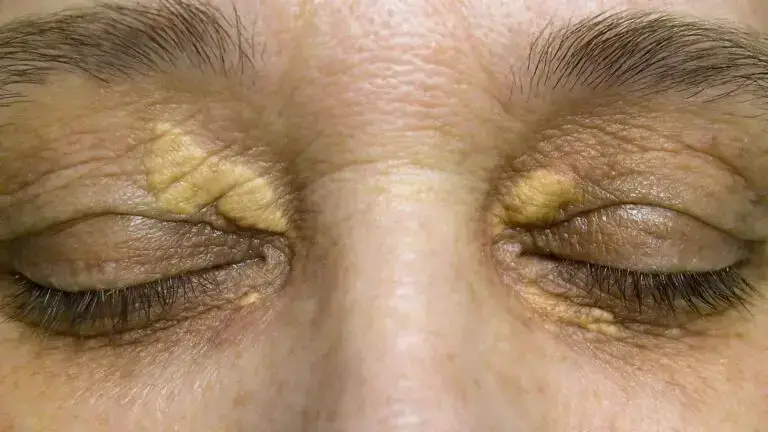
Xanthelasma Removal Risks
Xanthelasma removal is a safe, well-established procedure with a high success rate, but no treatment is completely risk-free. Blue Fin Vision® provides consultant-led care, using detailed assessment and advanced techniques to minimise risk and manage any complications safely.
How Safe is Xanthelasma Removal?
Xanthelasma removal is considered a low-risk procedure with excellent cosmetic outcomes when performed by experienced specialists. Modern techniques, including laser ablation, surgical excision and chemical removal, deliver effective results for the vast majority of patients. Serious complications are rare, and most side effects are temporary and manageable.
At Blue Fin Vision®, all xanthelasma procedures are delivered within UK clinical governance, including CQC oversight and audited cosmetic outcomes. Consultant-led assessment ensures the most appropriate technique is selected for your lesion size, depth and location, maximising safety and minimising recurrence risk.
Normal Side Effects After Surgery
Some changes in the first few days after xanthelasma removal are expected and usually settle as the treated area heals. These short-term effects are not usually classed as complications:
- Mild redness and swelling around the treated area, typically resolving within one to two weeks
- A thin scab or crust forming along the treatment area, which should be allowed to fall off naturally
- Mild discomfort or tightness, usually controlled with simple pain relief
- Temporary blurring of vision if ointment is applied near the eye
- Bruising, which often improves significantly within one to two weeks
Most patients notice that the treated area becomes smoother and less noticeable over the following weeks, with scars gradually softening over time.
Short Term Risks and Treatable Complications
A minority of patients experience issues that require additional treatment or closer follow-up. Many of these complications are treatable, particularly when recognised early.
Scarring
Scarring is possible with any xanthelasma removal technique, though the risk varies by treatment method. Surgical excision around the delicate eyelid skin can potentially lead to visible scarring if incision placement or wound closure is suboptimal. Laser and chemical treatments generally carry lower scarring risk but may still cause minor textural changes.
When performed by an experienced surgeon using correct techniques, the likelihood of noticeable scarring is very low. Scar-reducing creams, sun protection and careful aftercare help minimise any residual marks.
Pigmentary Changes
Both hyperpigmentation (darkening) and hypopigmentation (lightening) of the treated skin can occur after xanthelasma removal. These changes are reported at varying frequencies depending on the treatment method. Pigmentary changes are often temporary and improve over several months. Sun protection during healing helps reduce this risk.
Persistent Erythema
Redness at the treatment site may persist beyond the expected healing period in some patients. This is more common with ablative laser treatments and chemical peels. Persistent erythema usually fades gradually over weeks to months but may require additional management in rare cases.
Infection
Infection is uncommon but possible with any procedure that breaks the skin barrier. Signs include increasing redness, warmth, swelling, discharge or worsening pain. Prompt treatment with antibiotics usually resolves infection quickly. Following aftercare instructions carefully, including keeping the area clean and using prescribed ointments, significantly reduces this risk.
Long-Term Risks After Xanthelasma Removal
Recurrence
Recurrence is the most common long-term concern after xanthelasma removal. Recurrence rates vary by treatment method and lesion characteristics. Deeper lesions that infiltrate the underlying muscle have higher recurrence rates regardless of treatment method. Managing underlying cholesterol levels, quitting smoking and maintaining a healthy weight can reduce the likelihood of new xanthelasma forming.
If recurrence occurs, repeat treatment is usually possible, though recurrence rates increase with each subsequent procedure.
Ectropion
Ectropion occurs when the lower eyelid droops away from the eye and everts outward. This is a rare but recognised complication of surgical excision around the eyelids, particularly when significant tissue removal is required for larger lesions. Careful surgical planning and conservative tissue removal minimise this risk.
Eyelid Retraction and Ptosis
Surgery around the eyelids can potentially lead to eyelid retraction (pulling back of the lid) or ptosis (drooping of the upper lid) in rare cases. These complications are uncommon with experienced surgeons using appropriate techniques.
Risks by Treatment Type
Different xanthelasma removal techniques carry different risk profiles:
Laser Removal Risks
- Minimal scarring risk with superficial lesions
- Mild redness and temporary discoloration common
- CO₂ laser has higher pigmentary change rates but better clearance for deeper lesions
- Er:YAG laser offers faster healing and lower scarring risk
- Recurrence possible, particularly for deep lesions
Surgical Excision Risks
- Higher scarring potential, especially with larger lesions
- Risk of ectropion, eyelid retraction or ptosis with extensive excisions
- Scar contracture reported in approximately 4% of advanced cases
- Higher recurrence rates compared to some laser methods
- Best suited for deep lesions infiltrating muscle
Chemical Removal Risks
- Substantial scarring and skin discoloration possible with cryotherapy and chemical cauterisation
- Hypopigmentation more common than hyperpigmentation
- Multiple sessions often required
- Recurrence rates of 25–39% reported
Who Has Higher Risk?
Some patients have a higher baseline risk of complications or recurrence. In these cases, treatment may still be appropriate, but the discussion is more individualised and expectations are tailored.
Higher-risk features can include:
- Larger or deeper lesions: Lesions over 2mm in height or those infiltrating underlying muscle have significantly higher recurrence rates
- Four-eyelid involvement: Recurrence rates up to 80% when all four eyelids are affected
- Previous xanthelasma removal: Secondary excisions have higher recurrence rates (up to 60%)
- Uncontrolled cholesterol levels: Elevated blood lipids increase recurrence risk and new lesion formation
- Underlying medical conditions: Diabetes, thyroid dysfunction and liver disease may affect healing and recurrence
- Darker skin types: Higher risk of pigmentary changes, particularly with ablative treatments
These factors do not automatically rule out xanthelasma removal, but they may influence technique selection and the intensity of follow-up after treatment.
Red Flag Symptoms to Act On
Understanding which symptoms are expected and which need urgent attention is a key part of safe xanthelasma removal. Patients receive written instructions, but it can help to have a simple checklist in mind.
Seek urgent eye care if you notice:
- Sudden, severe eye pain or rapidly worsening vision
- Signs of infection: increasing redness, warmth, swelling, discharge or worsening pain
- Significant bleeding that does not stop with gentle pressure
- Any injury to the eyeball or changes in your ability to see clearly
- Eyelid changes such as inability to close the eye properly or significant drooping
Milder symptoms such as slight redness, mild swelling or minor discomfort are often part of normal healing, but if there is any doubt, it is safer to contact the clinical team for advice. Early review allows most complications to be treated promptly, protecting your vision and supporting a smoother recovery.
Blue Fin Vision® Safety Standards
At Blue Fin Vision®, we follow rigorous protocols to minimise treatment risk:
- Detailed pre-treatment assessment including lesion grading, depth evaluation and underlying health screening
- Consultant-led technique selection matching the optimal treatment method to your lesion characteristics
- Advanced laser and surgical equipment for precision and safety
- UK-regulated care within CQC oversight, audited cosmetic outcomes and clear documentation
- Structured post-treatment follow-up to monitor healing and address concerns early
- Lifestyle guidance including cholesterol management advice to reduce recurrence risk
Your safety and cosmetic outcome are our absolute priority. If you have concerns about your suitability for xanthelasma removal, our expert team is here to discuss your individual risk profile and help you make an informed decision.
Book your consultation today to discuss xanthelasma removal and understand how treatment can be tailored to your needs.