



- Medically Reviewed by: Mr Mfazo Hove, Consultant Ophthalmic Surgeon
- Author: Chris Dunnington
- Published: January 30, 2025
- Last Updated: May 1, 2026
At Blue Fin Vision® Eye Clinic, we know how vital clear vision is for safe driving. The DVLA eye test is a key check to make sure drivers meet the visual standards set by the Driver and Vehicle Licensing Agency for road safety. If you’re wondering what happens in a DVLA eye test, this guide breaks it down step by step. It’s especially relevant for those over 70 facing a DVLA eye test over 70, but helpful for any driver wanting to stay confident behind the wheel.
Our top-rated private eye clinic team, including top doctors and leading surgeons, help countless patients prepare for these tests and maintain excellent eyesight. Let’s dive in.
Understanding the DVLA Eye Test
The DVLA eye test, often called a driving vision test, checks if your vision hits the minimum standards for safe driving. It focuses on two main areas: how sharply you see at a distance and how well you spot things in your peripheral vision. This test matters most for drivers over 70, who renew their licence every three years, but anyone can benefit from knowing the ropes.
Who Needs a DVLA Eye Test?
Not every driver faces a formal DVLA test right away, but certain situations call for it:
- When applying for a provisional driving licence.
- Renewing your licence at age 70 or older (DVLA eye test over 70).
- If referred by your doctor or optician over vision concerns.
- With a medical condition that might affect your eyesight.
Even if it’s not required yet, regular checks at a private eye clinic like Blue Fin Vision® in London, Chelmsford, or Hatfield keep you ahead of any issues.

Components of the DVLA Eye Test
The DVLA eye test boils down to two core parts: a visual acuity test and a visual field test. Both are straightforward but precise.
Visual Acuity Test
This measures your distance vision using a DVLA eye test chart, like a standard eye exam. You’ll read letters or numbers from a chart, aiming to match the legal requirement of reading a number plate from 20 metres away. It’s quick, often just a few minutes, and tests each eye separately, with or without glasses.
A key tool here is the Snellen chart, a classic with rows of letters decreasing in size. The dvla eye test chart follows this principle, sometimes as a printable DVLA eye test chart for home practice. Want to test yourself? Download our free Snellen chart PDF from Blue Fin Vision® here. Our top specialists recommend it as a simple self-check before your official test.
Visual Field Test
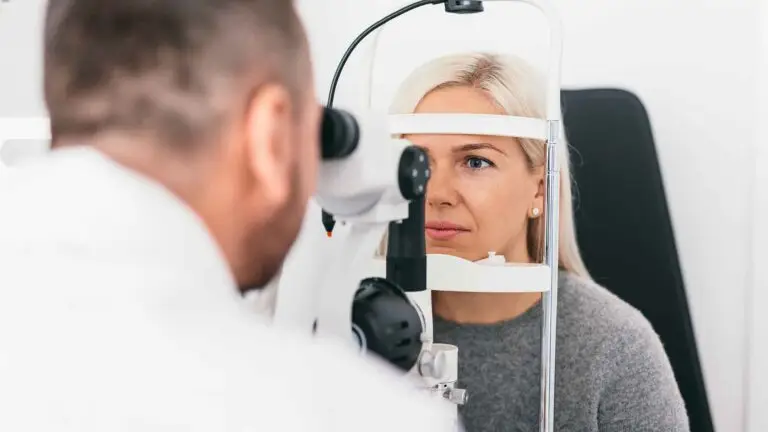
Next up is the visual field test, which checks your side vision – crucial for spotting hazards while driving. You’ll stare into a machine where light spots flicker on and off in your peripheral view. Press a button each time you see one. It’s done with both eyes together and covers a broad area.
Expect it to take about five minutes, and they might repeat it up to three times for the best results, especially if nerves play a part. Our leading surgeons at Blue Fin Vision® often run similar tests in routine exams to spot issues early.

DVLA Eye Test for Drivers Over 70
For drivers aged 70 and above, the DVLA eye test takes on additional significance. Here’s what you need to know about the DVLA eye test over 70:
- When you turn 70, the DVLA will send you a form to renew your licence for three years.
- You must declare on this form that you are still fit and able to drive safely.
- It’s your responsibility to inform the DVLA of any medical conditions or medications that may affect your driving.
- Regular eye tests become even more crucial at this age to ensure your vision continues to meet the required standards.
Preparing for Your DVLA Eye Test
To ensure the best possible outcome for your DVLA eye test, consider the following tips:
- Book regular eye check-ups at Blue Fin Vision® to catch problems early.
- Bring your current glasses or contacts if you use them for driving.
- Get a good night’s rest – tiredness can throw off your results.
- Ask questions if anything’s unclear during the test.
- Stay relaxed; it’s about safety, not tricks.
Our top doctors emphasise that proactive care, like our comprehensive exams, builds real confidence.

After the DVLA Eye Test
Once you’ve completed your DVLA eye test, here’s what you can expect:
- The results of your test will be sent directly to the DVLA.
- The DVLA will make the final decision about your driving licence based on these results.
- You’ll receive written communication from the DVLA about their decision, which may take a few weeks.
- Unless advised otherwise, you can continue to drive after the test while awaiting the results.
The Importance of Regular Eye Care
The DVLA eye test keeps you legal, but it’s no replacement for full eye exams. At Blue Fin Vision®, we recommend:
- Annual checks for drivers over 40.
- More often if you have conditions like cataracts or glaucoma.
- Immediate visits for any vision shifts, like blur or blind spots.
Conclusion: Your Vision, Our Priority
Clear vision powers safe driving and understanding what happens in a DVLA eye test, empowers you to handle it with ease. From the eye test chart DVLA to field checks, Blue Fin Vision® Eye Clinic prepares you every step, with expertise across London, Essex, and Hertfordshire.
Trust your eyes to our top-rated team of leading surgeons and top doctors. Book a consultation today at the Blue Fin Vision® location nearest you – whether Harley Street in London, Chelmsford, or Hatfield. Drive confidently, knowing your vision is in the best hands. Your safety and sight matter to us.


