Pterygium & Pinguecula Removal FAQs
Blue Fin Vision® consultants answer the most common questions about pterygium and pinguecula removal. From understanding these conditions to treatment options, recovery and costs, find reassurance and practical guidance to help you make an informed decision about restoring your eye comfort and appearance.
What is a pterygium?
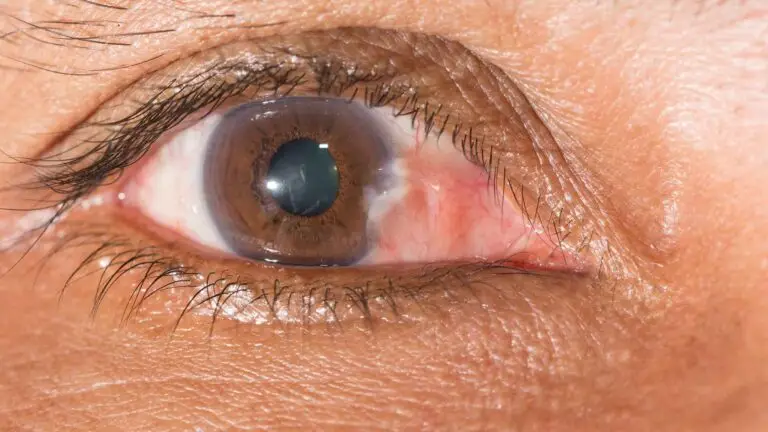
A pterygium is a benign, wedge-shaped growth of fleshy tissue on the white of the eye (conjunctiva) that can extend onto the clear front surface (cornea). Often called “surfer’s eye,” pterygium is strongly linked to ultraviolet (UV) light exposure, as well as wind, dust and dry conditions. While benign, it can cause chronic redness, irritation, foreign body sensation and, if it grows onto the cornea, visual disturbance due to induced astigmatism. Early removal generally produces better outcomes than waiting until vision is affected.
What is a pinguecula?
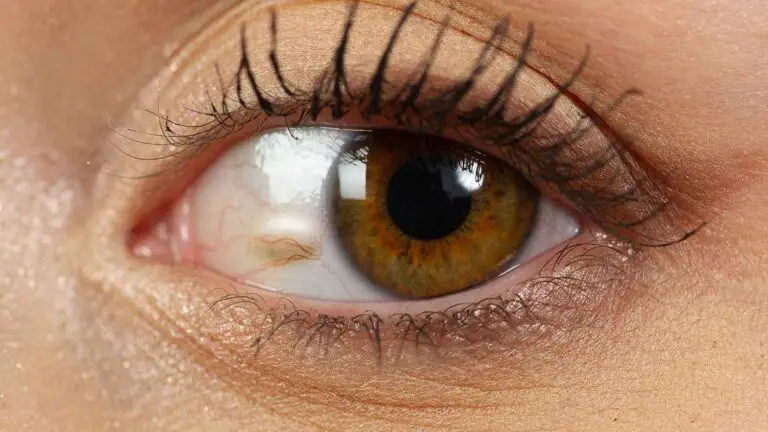
A pinguecula is a small, yellowish, slightly raised bump on the conjunctiva, usually near the cornea on the nasal side. Like pterygium, it is associated with UV exposure, dry eyes and environmental irritation. Pingueculae do not grow onto the cornea and rarely affect vision directly. However, they can become inflamed (pingueculitis), causing redness, discomfort and cosmetic concern. Many pingueculae remain stable and require only lubricating drops, but removal may be recommended if symptoms persist or appearance is significantly affected.
What is the difference between pterygium and pinguecula?
Pterygium is a fleshy, wedge-shaped growth that can extend onto the cornea, may affect vision and has a higher recurrence risk after removal. Pinguecula is a yellowish bump that remains on the conjunctiva, does not grow onto the cornea and is primarily a cosmetic concern with lower recurrence risk. Your consultant confirms whether you have pterygium, pinguecula or both, and recommends the most appropriate treatment.
How are pterygium and pinguecula removed?
Blue Fin Vision® offers several treatment options. Pterygium surgical excision with conjunctival autograft is the gold-standard technique, where healthy tissue from under your upper eyelid covers the removal site, offering the lowest recurrence rates of 1.5–5%. Pinguecula surgical excision removes the growth under local anaesthetic. Argon laser photocoagulation for pinguecula is a minimally invasive option available exclusively at the Harley Street clinic, ideal for smaller growths and patients seeking rapid recovery.
Is pterygium or pinguecula removal painful?
No, pterygium and pinguecula removal procedures are not painful. All treatments are performed under local anaesthetic, which numbs the eye completely. Most patients describe only mild pressure or awareness during surgery. After treatment, mild discomfort, grittiness or foreign body sensation is common as the anaesthetic wears off, but this is usually well controlled with lubricating drops and simple pain relief such as paracetamol.
How long does recovery take after pterygium or pinguecula removal?
Recovery varies by procedure. For pterygium excision with conjunctival autograft, expect significant redness for 2–6 weeks, return to work in 3–7 days and full healing over 3–6 months. Pinguecula surgical excision involves redness for 1–3 weeks, return to work in 2–5 days and full healing over 1–3 months. Argon laser photocoagulation for pinguecula offers the quickest recovery, with mild redness for 3–10 days and return to work in 1–2 days.
What are the risks of pterygium or pinguecula removal?
Common temporary effects include redness, swelling, watering, grittiness and mild discomfort. Less common risks include recurrence (particularly for pterygium), scarring, persistent dry eye symptoms and, rarely, infection. For pterygium surgery, rare risks include graft displacement or corneal scarring. Your consultant discusses all potential risks during your consultation and explains how Blue Fin Vision® minimises complications through advanced techniques and careful aftercare.
Will the growth come back after pterygium or pinguecula removal?
Recurrence is possible, particularly for pterygium. Conjunctival autograft with fibrin glue offers the lowest recurrence rates at 1.5–5% for primary pterygium. Pinguecula recurrence is less common. The most important step to reduce recurrence risk is wearing UV-protective sunglasses consistently after surgery, with wraparound styles offering the best protection.
Can pterygium or pinguecula be treated on the NHS?
Pterygium and pinguecula are often monitored on the NHS if asymptomatic. Removal is typically only offered when vision is significantly affected or symptoms are severe, and waiting times can be lengthy. Cosmetic concerns alone rarely qualify for NHS treatment. Blue Fin Vision® offers prompt private access to advanced surgical and laser options, typically within weeks of consultation.