Oculoplastic Surgery at Blue Fin Vision®
Eyelid, Tear Duct & Orbital Surgery in London, Hertfordshire & Essex
What Is Oculoplastic Surgery?
Oculoplastic surgery treats conditions affecting the eyelids, tear ducts, eye sockets and surrounding structures. These delicate areas are vital to both the function and appearance of your eyes. Conditions range from drooping eyelids impairing vision to blocked tear ducts causing constant watering.
Blue Fin Vision® provides consultant-led oculoplastic assessment and surgery across London, Hertfordshire and Essex. We treat both functional conditions (affecting vision or comfort) and cosmetic concerns, with tailored surgical plans for each patient.
In the UK, oculoplastic procedures like ptosis repair or ectropion correction may qualify for NHS funding if they impair vision or function. Cosmetic treatments such as blepharoplasty are typically private. Blue Fin Vision® provides prompt access to both, with personalised consultant care in CQC-regulated facilities.
Our lead consultant has performed over 55,000 eye procedures with complication rates three to five times below UK averages (independently audited through the National Ophthalmology Database).
Conditions We Treat
Eyelid Conditions
- Blepharoplasty (upper and lower) – removal of excess eyelid skin or fat for functional or cosmetic improvement
- Dermatochalasis – redundant upper eyelid skin, often treated with blepharoplasty
- Ptosis – drooping upper eyelids that may impair vision
- Ectropion – eyelids turning outward, exposing the eye surface
- Entropion – eyelids turning inward, causing lashes to irritate the eye
- Chalazion – eyelid cysts caused by blocked oil glands
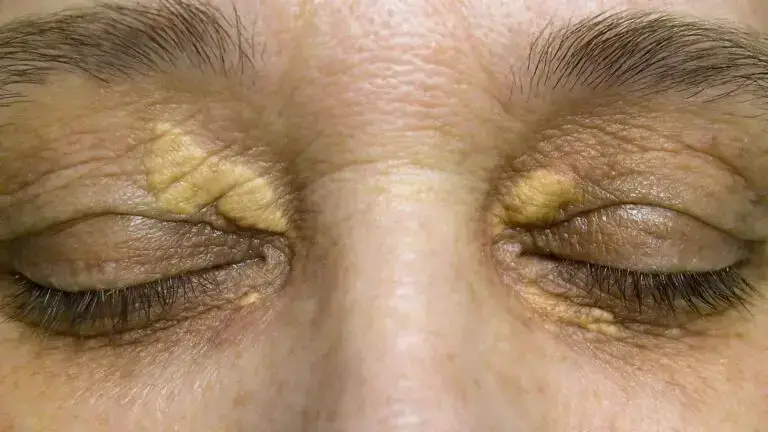
- Xanthelasma – yellowish cholesterol deposits on the eyelids
Tear Duct (Lacrimal) Conditions
- Epiphora – excessive tearing, often due to tear duct obstruction
- Dacryolithiasis – stones in the lacrimal system causing drainage issues
- Dacryocystitis – infection in the tear sac
- Punctal stenosis – narrowing of the tear drainage opening
Orbital and Periocular Conditions
- Thyroid eye disease – eye changes related to thyroid dysfunction, including bulging eyes
- Pre-septal and orbital cellulitis – infections affecting the eyelids and orbital tissues
Facial and Periorbital Conditions
- Brow ptosis – drooping eyebrows affecting appearance or vision
- Facial palsy – eyelid closure problems due to facial nerve weakness
Do You Need Oculoplastic Surgery?
You may benefit from oculoplastic assessment if you have:
- Drooping upper eyelids affecting vision or appearance
- Excess eyelid skin causing heaviness or obstruction
- Eyelids turning inward or outward
- Constantly watering eyes
- Eyelid lumps or cysts
- Yellowish deposits on your eyelids
- Eye appearance changes related to thyroid disease
- Difficulty closing your eyes fully
Your consultant will assess whether your condition is functional (affecting vision or comfort), cosmetic, or both – and explain your treatment options clearly.
What Happens Next
- Complete your suitability check: Answer a few quick questions about your condition, symptoms, and how they affect your daily life – takes under two minutes.
- Consultant-led review: Our ophthalmologists review your information to assess whether oculoplastic treatment may be appropriate.
- Personalised recommendation: You receive a clear explanation of your options, what to expect, and transparent pricing.
- In-person consultation: If you wish to proceed, we arrange a detailed assessment at your nearest Blue Fin Vision® clinic. No obligation, no pressure.
Surgical Procedures
Blepharoplasty
Upper or lower eyelid surgery to remove excess skin, muscle or fat. Performed for functional reasons (improving field of vision) or cosmetic enhancement. Day-case procedure under local anaesthetic.
Ptosis Repair
Surgical correction of drooping upper eyelids by tightening the muscle that lifts the lid. Restores normal eyelid position and improves vision if obstructed.
Ectropion and Entropion Repair
Surgery to correct eyelid malposition – turning outward (ectropion) or inward (entropion). Relieves irritation, watering and protects the eye surface.
Dacryocystorhinostomy (DCR)
Surgery to create a new tear drainage pathway when the tear duct is blocked. Performed externally or endoscopically (through the nose). Relieves constant watering and reduces infection risk.
3-Snip Punctoplasty
Minor surgery to widen the tear drainage opening (punctum) for punctal stenosis. Quick outpatient procedure.
Chalazion Incision and Curettage
Drainage of eyelid cysts that do not resolve with conservative treatment. Quick procedure under local anaesthetic.
Orbital Decompression
Surgery to relieve pressure in the eye socket, most commonly for thyroid eye disease causing bulging eyes.
Gold Weight Insertion
For facial palsy patients who cannot close their eye fully, a small gold weight is inserted into the upper eyelid to aid closure and protect the cornea.
All procedures include histopathology where clinically indicated and structured follow-up to monitor outcomes.
What to Expect
Before Surgery
Your consultation includes detailed assessment of your condition and its impact on function and appearance. Your consultant explains which procedure is recommended and why. Formal consent follows GMC and RCOphth guidelines, including a two-week cooling-off period for elective cosmetic procedures.
During Surgery
- Most procedures performed under local anaesthetic as day cases
- You remain awake but comfortable
- Duration varies from 20 minutes (chalazion) to 1-2 hours (DCR, orbital surgery)
- You return home the same day
After Surgery
- Bruising and swelling are normal and settle over 1-2 weeks
- Stitches removed at follow-up (usually 7-14 days) or dissolve naturally
- Most patients return to normal activities within 1-2 weeks
- Avoid strenuous exercise for 2 weeks
- Follow-up appointments to monitor healing
- Direct access to our team for any concerns

Oculoplastic Surgery Clinics in London, Hertfordshire & Essex
Premium Oculoplastic Surgery
Access consultant-led oculoplastic care at Blue Fin Vision® Eye Clinic. Located in London, Hertfordshire and Essex, we offer appointments for both functional and cosmetic eyelid concerns.
Consultant-led expertise
Renew your confidence with oculoplastic services from one of UK’s highest rated eye surgeons
Functional and cosmetic
Treatment for conditions affecting vision, comfort and appearance
Patient-centred care
Every step of your treatment is supported by our dedicated team, ensuring a comfortable and informed experience
Contact us at Blue Fin Vision® Eye Clinic in London, Hertfordshire or Essex to book your oculoplastic surgery
Why Choose Blue Fin Vision® for Oculoplastic Surgery?
Blue Fin Vision® is recognised by leading authorities in private healthcare and luxury wellness, including listings in the Spear’s 500 Health & Wellness Index 2025 and the Tatler Address Book.
What sets Blue Fin Vision® apart:
- Consultant-led care: Your named consultant performs every assessment and surgery personally
- Audited outcomes: Over 55,000 procedures with complication rates three to five times below UK averages
- Full range of procedures: Blepharoplasty, ptosis repair, ectropion/entropion surgery, DCR, orbital surgery
- Functional and cosmetic: Treatment for conditions affecting vision, comfort and appearance
- 540+ verified five-star reviews: Independently collected on Doctify
- Two-week cooling-off: For elective cosmetic procedures, following RCOphth guidelines
- Histopathology included: Laboratory analysis where clinically indicated
- CQC-regulated facilities: Full compliance with UK clinical governance
- Locations across London and the South East: Harley Street, Weymouth Street, Chase Lodge Hospital, Chelmsford and Hatfield
Restore Function, Comfort or Confidence
Whether you need relief from discomfort, restoration of function, or cosmetic enhancement, our consultant-led team can help. Access a detailed assessment with transparent pricing and no obligation.
If you have concerns about costs, speak to our team. We offer transparent pricing and can discuss payment options to make your treatment accessible.
Our Clinic Locations
Book Your Consultation Now
Complete the form below to request a consultation. We’ll review your details, assess your suitability for treatment, and answer any questions you may have.