Xanthelasma Removal FAQs
Blue Fin Vision® consultants answer the most common questions about xanthelasma removal. From understanding the condition to treatment options, recovery and costs, find reassurance and practical guidance to help you make an informed decision about restoring your eyelid appearance.
What is xanthelasma?
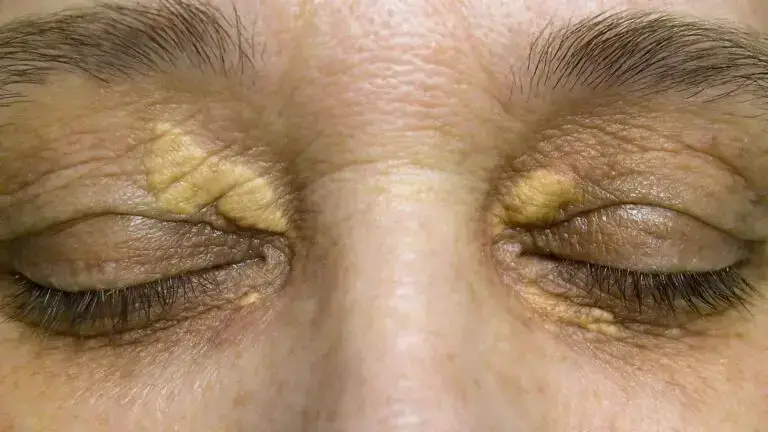
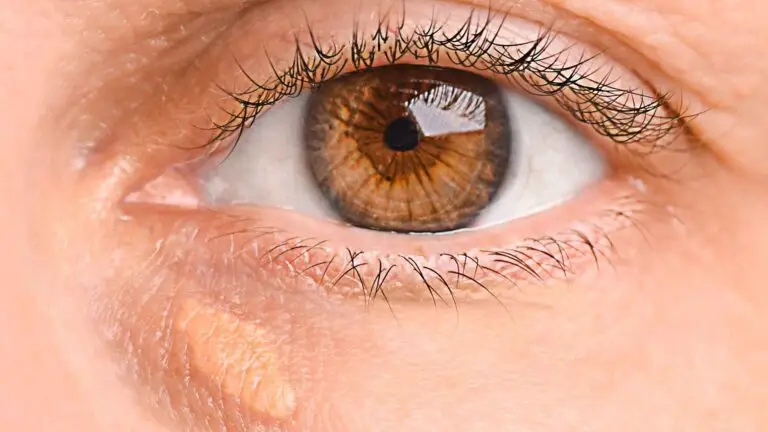
Xanthelasma are soft, yellowish plaques that develop on or around the eyelids, most commonly near the inner corners of the eyes. They form when cholesterol-rich deposits accumulate beneath the skin. Approximately half of people with xanthelasma have elevated cholesterol levels, though the condition can also occur in those with normal cholesterol. Other associated factors include diabetes, thyroid dysfunction, liver disease and genetic predisposition. Xanthelasma is benign but can be cosmetically troublesome and may signal underlying cardiovascular risk worth discussing with your GP.
Can xanthelasma affect my vision or eye health?
In most cases, xanthelasma does not affect vision or eye health directly. The plaques sit on the skin of the eyelids rather than within the eye itself. Very large or extensive lesions can occasionally cause mechanical problems such as eyelid heaviness, but this is uncommon. The primary concern for most patients is cosmetic, as xanthelasma can make the eyes appear aged or unhealthy. Because xanthelasma may indicate elevated cholesterol or metabolic conditions, a health check with your GP is advisable.
What treatment options are available for xanthelasma removal?
Blue Fin Vision® offers three main approaches to xanthelasma removal. Laser removal uses advanced Er:YAG or CO₂ lasers to precisely vaporise deposits, offering minimal scarring and rapid recovery for small to medium superficial lesions. Surgical excision removes xanthelasma with a scalpel under local anaesthesia, best for larger, deeper or recurrent lesions. Chemical removal using trichloroacetic acid (TCA) dissolves plaques gradually and suits smaller, superficial lesions in patients preferring a non-surgical option. Your consultant recommends the most appropriate technique based on your lesion characteristics and cosmetic goals.
Is xanthelasma removal painful?
No, xanthelasma removal is not painful. All procedures are performed under local anaesthesia, which numbs the treatment area completely. You may feel a brief sting as the anaesthetic is administered, but the treatment itself is comfortable. Most patients describe only mild pressure or warmth during the procedure. Afterwards, mild tenderness may occur as the anaesthetic wears off, but this is usually well controlled with simple pain relief such as paracetamol.
How long does xanthelasma removal take?
Most xanthelasma removal procedures are completed within 30 to 60 minutes, depending on the number and size of lesions being treated. Smaller lesions treated with laser or chemical methods may take as little as 15 to 20 minutes per eye. Surgical excision of larger or deeper lesions may take slightly longer to ensure precise wound closure. All treatments are performed as day cases, meaning you can go home the same day.
What is the recovery like after xanthelasma removal?
Recovery is typically straightforward. During the first week, expect mild redness, swelling and scab formation, though most patients return to work and social activities within a few days. By weeks 2–4, scabs separate naturally, revealing new pink skin beneath, and makeup can usually be applied once healed. Over weeks 4–12, residual pinkness fades and scars soften, with full cosmetic results continuing to improve over several months. Laser and chemical treatments typically heal faster than surgical excision.
What are the risks of xanthelasma removal?
Xanthelasma removal is safe when performed by experienced specialists, but all treatments carry some risk. Common temporary effects include redness, swelling, bruising, scab formation and mild discomfort. Less common risks include scarring and pigmentary changes such as darkening or lightening of the skin. Rare risks with surgical excision include ectropion (eyelid turning outward) or eyelid retraction. Your consultant discusses all potential risks during your consultation and explains how Blue Fin Vision® minimises complications through advanced techniques and careful aftercare.
Will xanthelasma return after removal?
Recurrence is possible with any xanthelasma treatment. Recent research shows CO₂ laser excision achieves clearance rates exceeding 99% for most lesions, with recurrence rates of approximately 6.8%. Surgical excision has reported recurrence rates up to 40% for primary removal. Factors increasing recurrence risk include larger or deeper lesions, four-eyelid involvement, previous removal attempts and uncontrolled cholesterol levels. Managing underlying lipid levels, maintaining a healthy weight and quitting smoking can reduce the likelihood of new xanthelasma forming.
Can xanthelasma be treated on the NHS?
Because xanthelasma is usually benign and primarily a cosmetic concern, the NHS generally does not fund removal. Exceptions may apply for unusually large lesions affecting eyelid function, but access remains limited. Blue Fin Vision® provides consultant-led private xanthelasma removal across London, Hertfordshire and Essex, offering rapid access to treatment without lengthy waiting times. We still encourage patients to have cholesterol and cardiovascular checks with their GP alongside cosmetic treatment.
Am I suitable for xanthelasma removal?
Most adults troubled by the appearance of xanthelasma are suitable candidates. Ideal candidates have visible plaques affecting their confidence, are in generally good health, have realistic expectations about outcomes including the possibility of recurrence, and can commit to following aftercare instructions and attending follow-up appointments. Patients with larger lesions, four-eyelid involvement, uncontrolled diabetes or previous failed treatments may still be suitable but require tailored planning. Your consultant assesses suitability during a comprehensive consultation.